Exhibition in Palermo · Ended 20 June 2026
Lunaria
9 May – 20 June 2026
Text
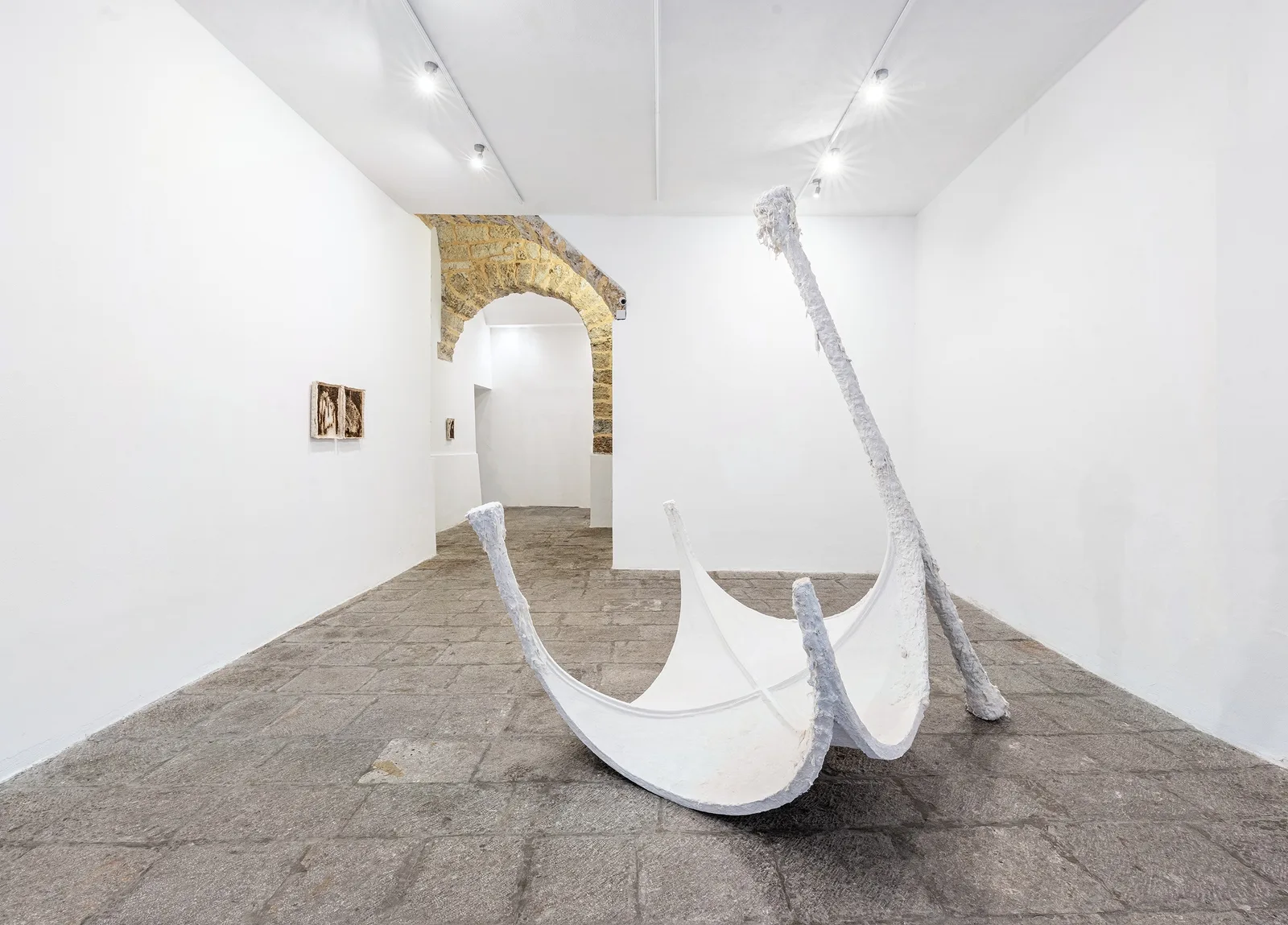
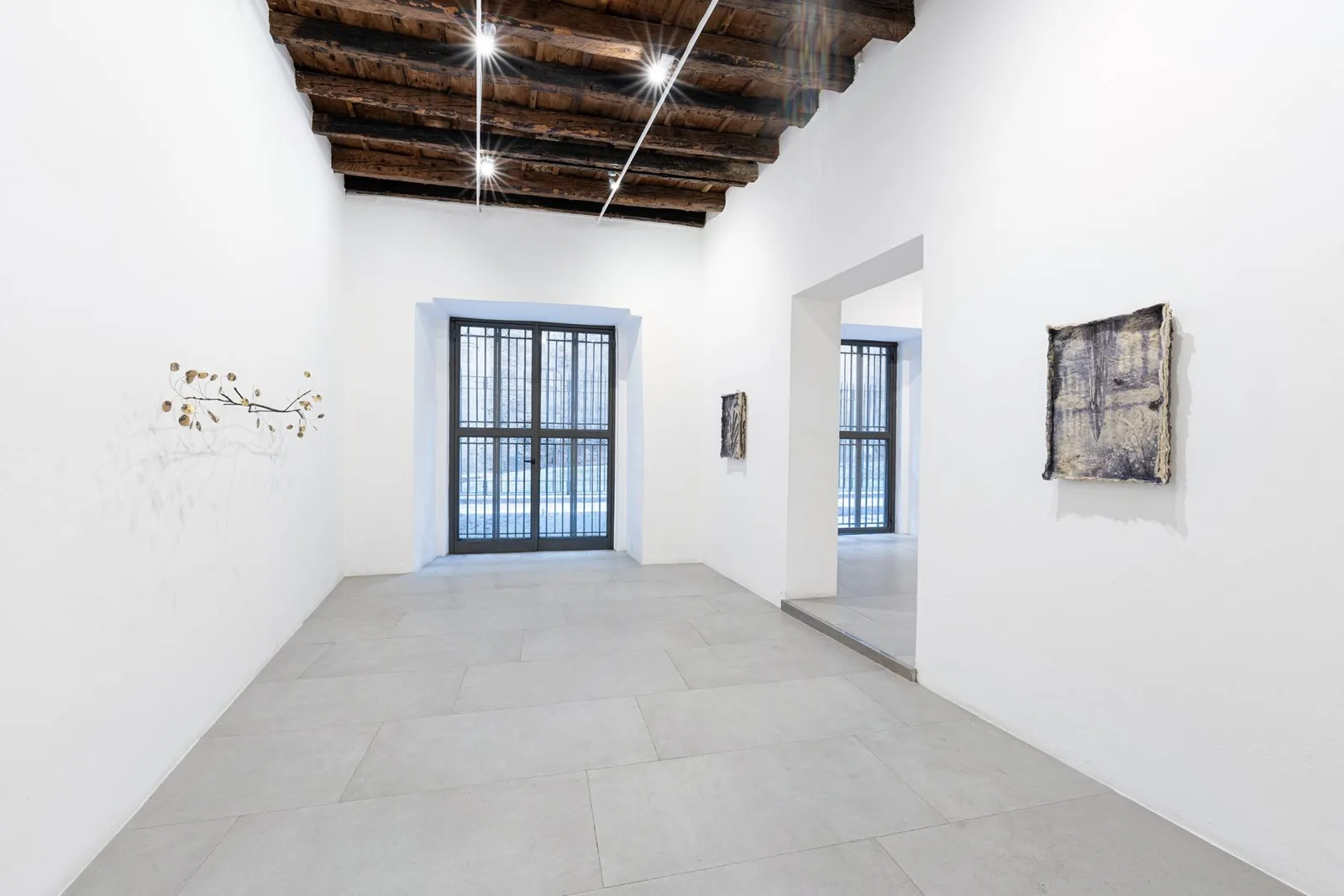
Lunaria, a solo exhibition by Francesca Polizzi (Palermo, 1988). Accompanied by a text by Daniele Franzella - the exhibition marks a pivotal milestone in the artist’s research, presenting a body of previously unseen works that investigate the concept of the "natural ruin" and the process of subtraction as a generative principle of form.
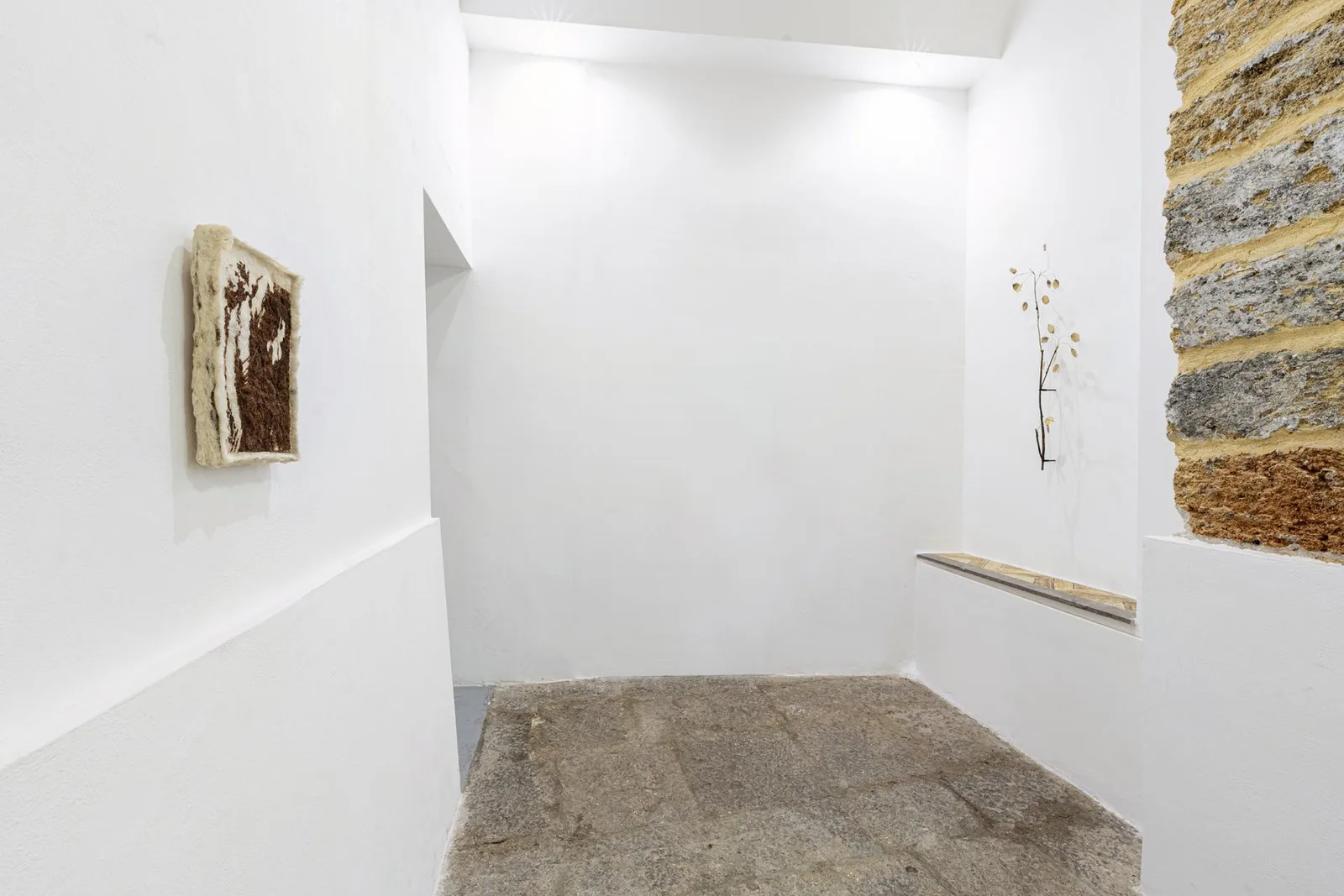
The project originates from a reflection on the Lunaria annua, a plant whose final configuration appears as the result of a process of subtraction. When the fruit dries, the seed falls, and the matter is emptied, what remains is a thin membrane - a transparent disc that holds only the trace of its own existence.
Through references to Rainer Maria Rilke’s Duino Elegies and the aesthetic reflections of Georg Simmel, the exhibition explores the ruin not as mere dissolution but as an active form. While for Simmel the ruin represents the reabsorption of human labor by nature, in Polizzi’s vision, nature itself produces its own ruin, surrendering to a dimension of pure, lyrical appearance at the moment biological life seems to withdraw.
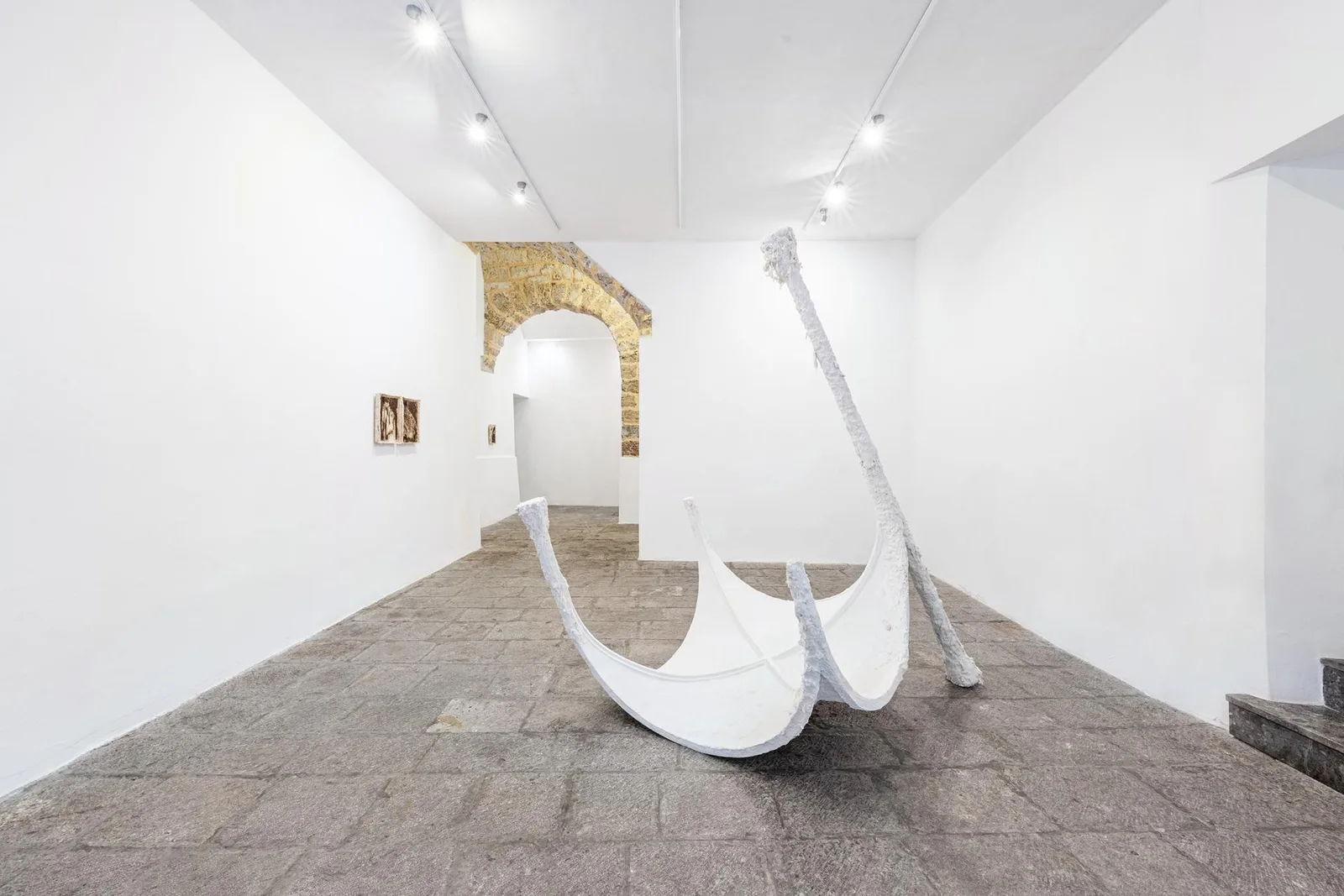
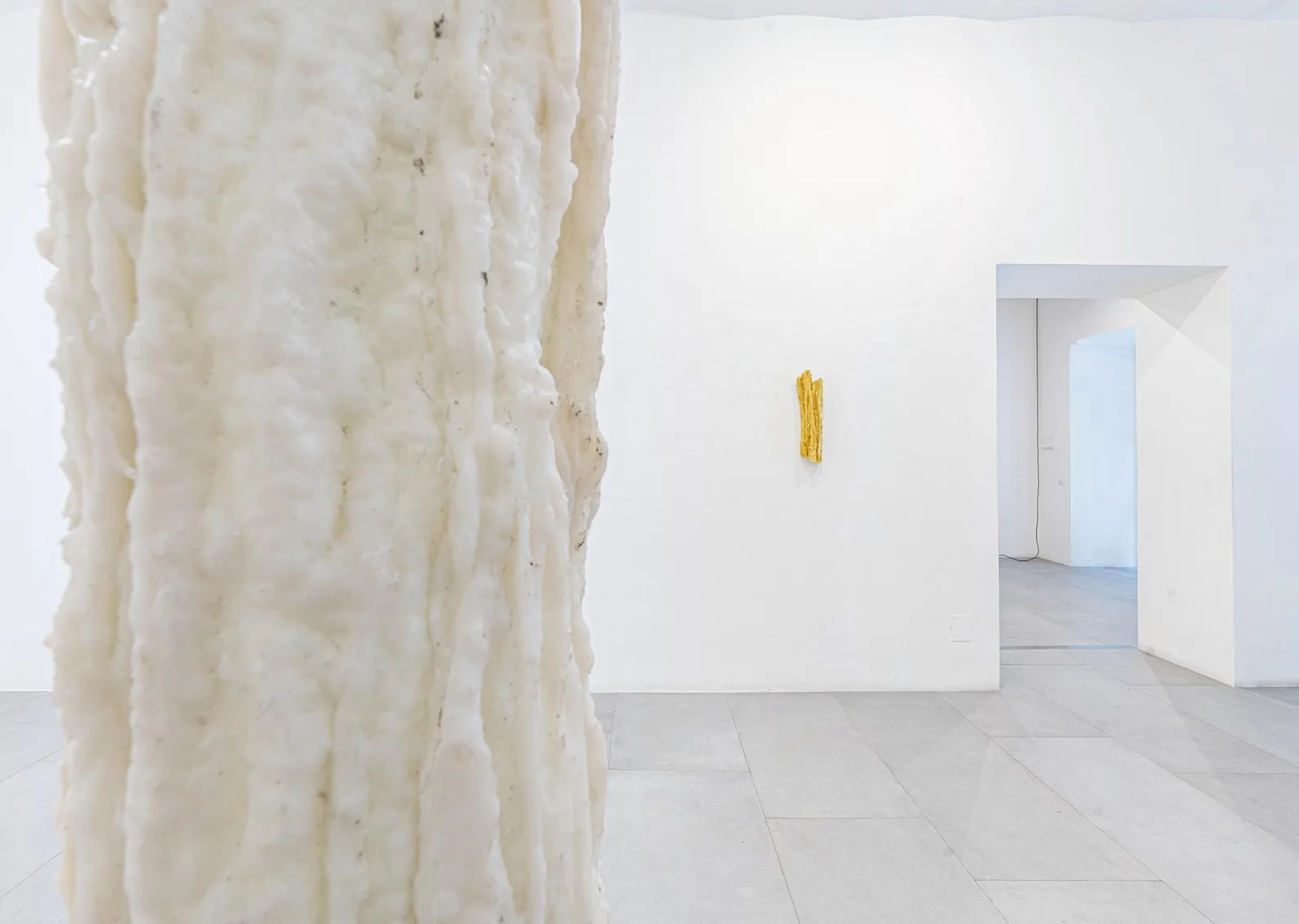
Francesca Polizzi’s research is distinguished by an archaeological approach to natural materials - raw wool, wax, rosin, and brambles - transformed through rigorous stages of manipulation.
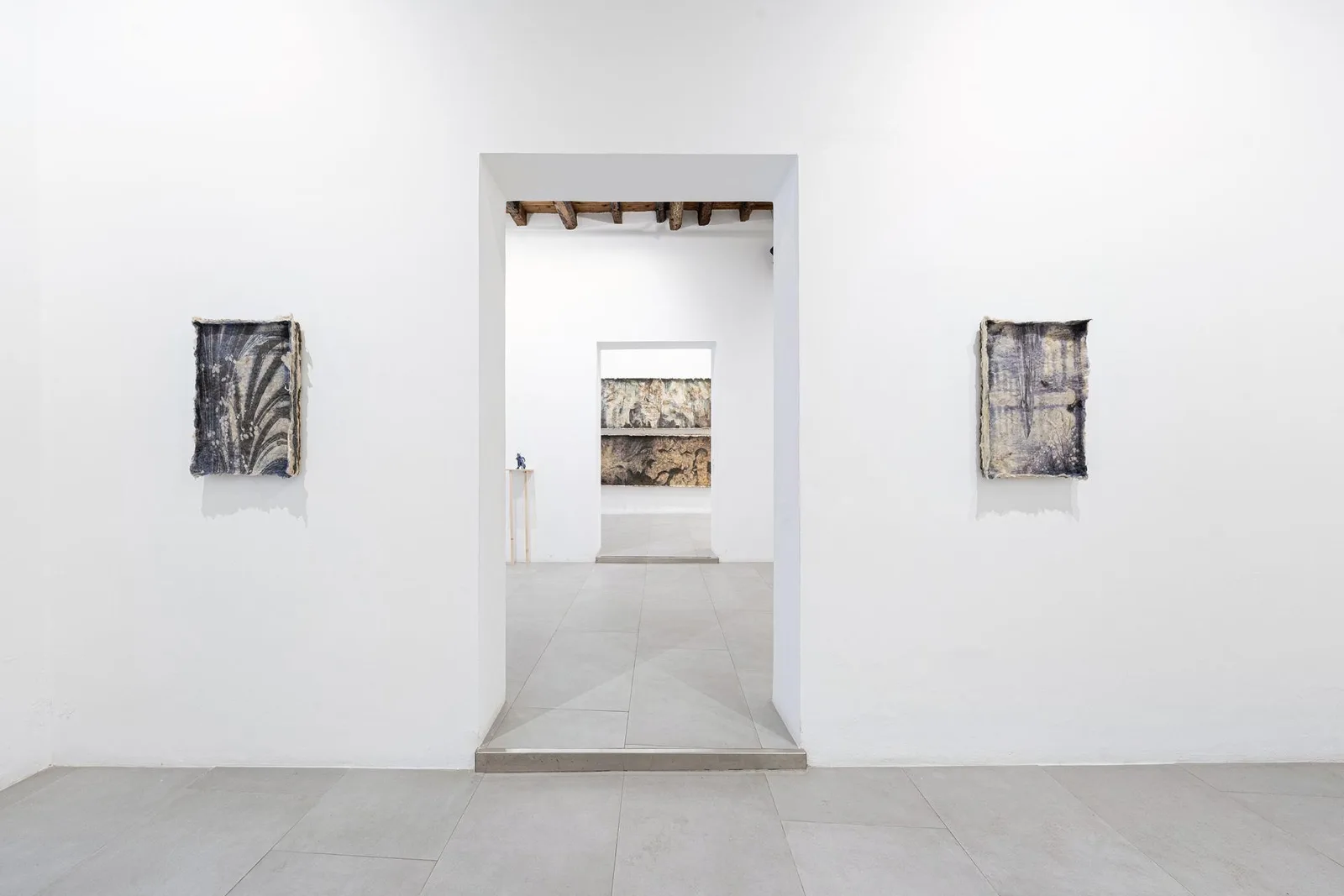
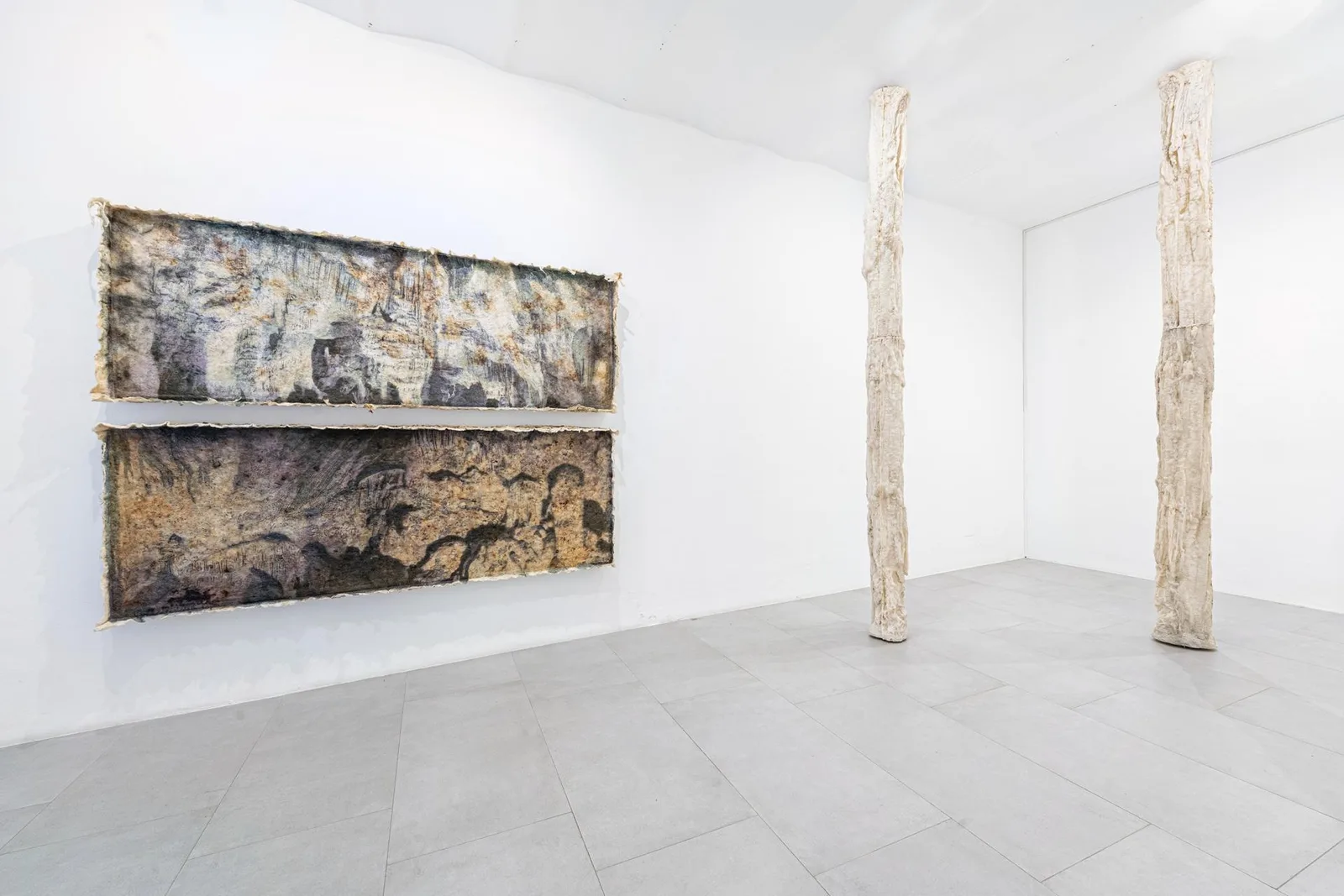
A series of raw wool felts, printed with images of architecture and natural caves, are subsequently treated with the encaustic painting technique. This process effects a layered concealment of the image, reducing its documentary value to return it as an opaque vision - a partially re-emerged mnemonic trace.
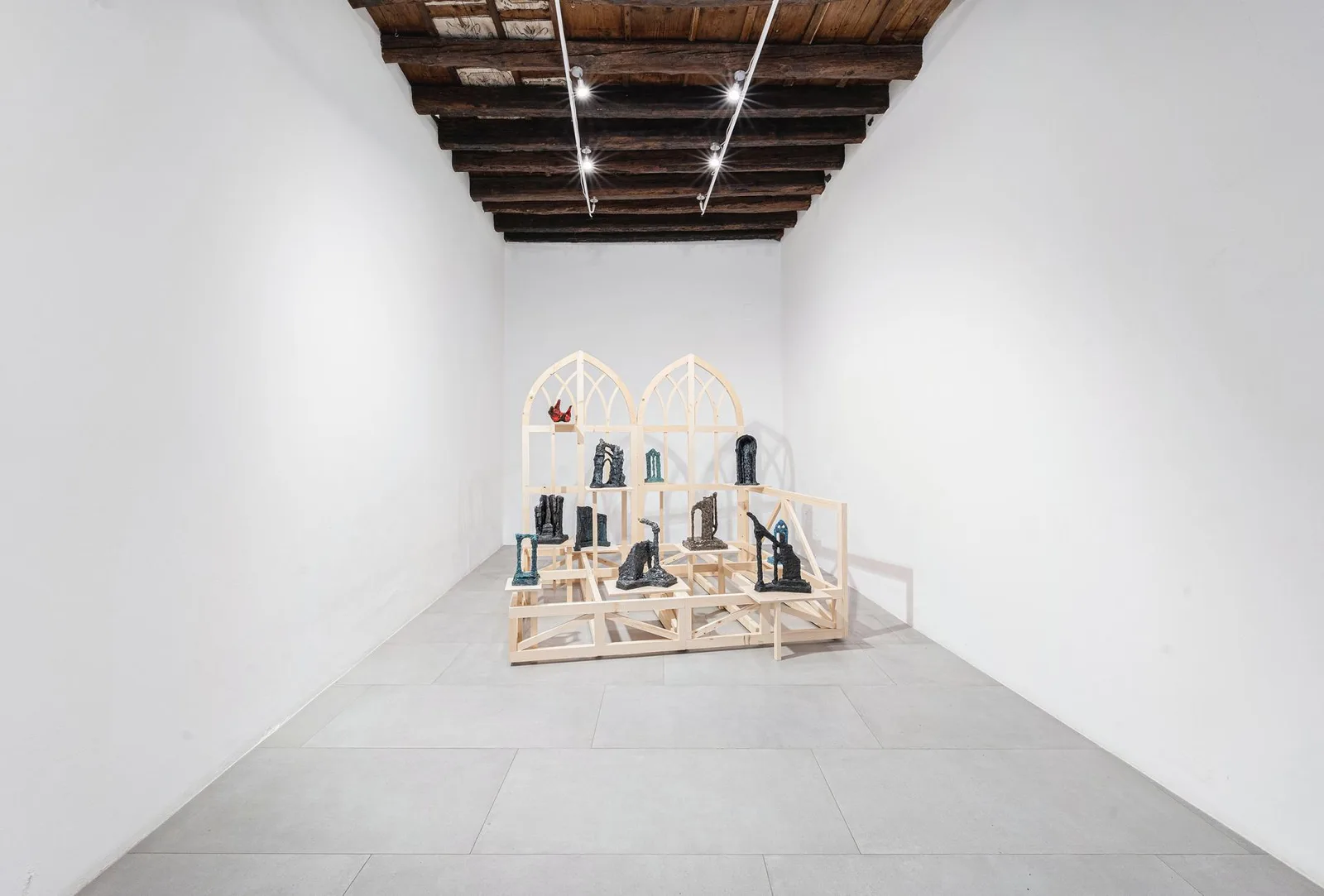
In a new series of ceramics, raw wool is kneaded directly into the raw clay. During the firing process, the organic component burns away and disappears, leaving cavities and imprints in the ceramic body. These voids evoke fragments of vanished civilizations - portions of walls, exedrae, and broken arches - where the dialogue between matter and absence becomes tangible.
The works on display thus stand as relics of a profound sensory dimension, the results of a transformation in which the fragment and the casing become acts of presence and permanence.
Installation views
Works
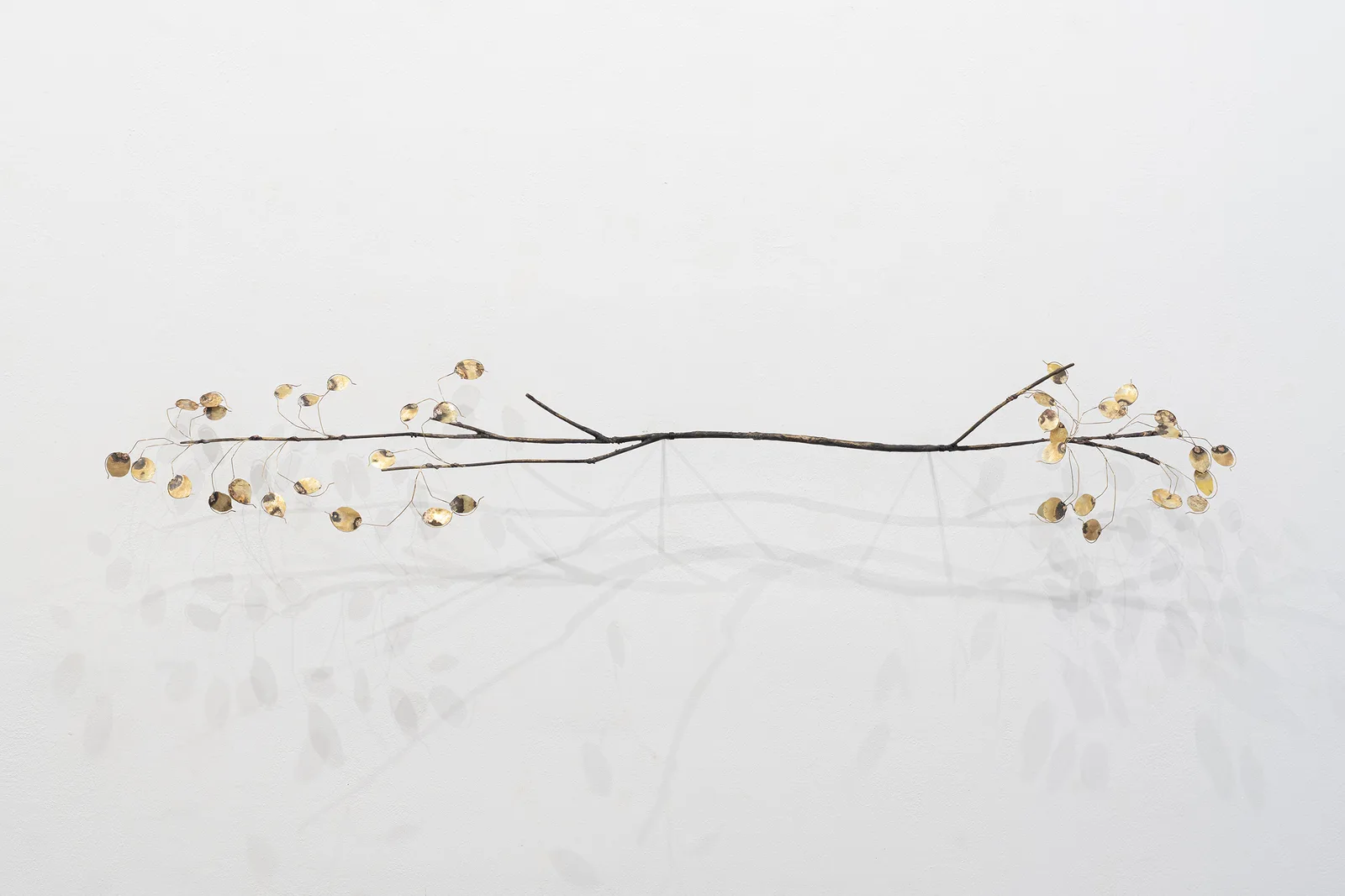
Brass and Bronze
35 × 185 × 30 cm
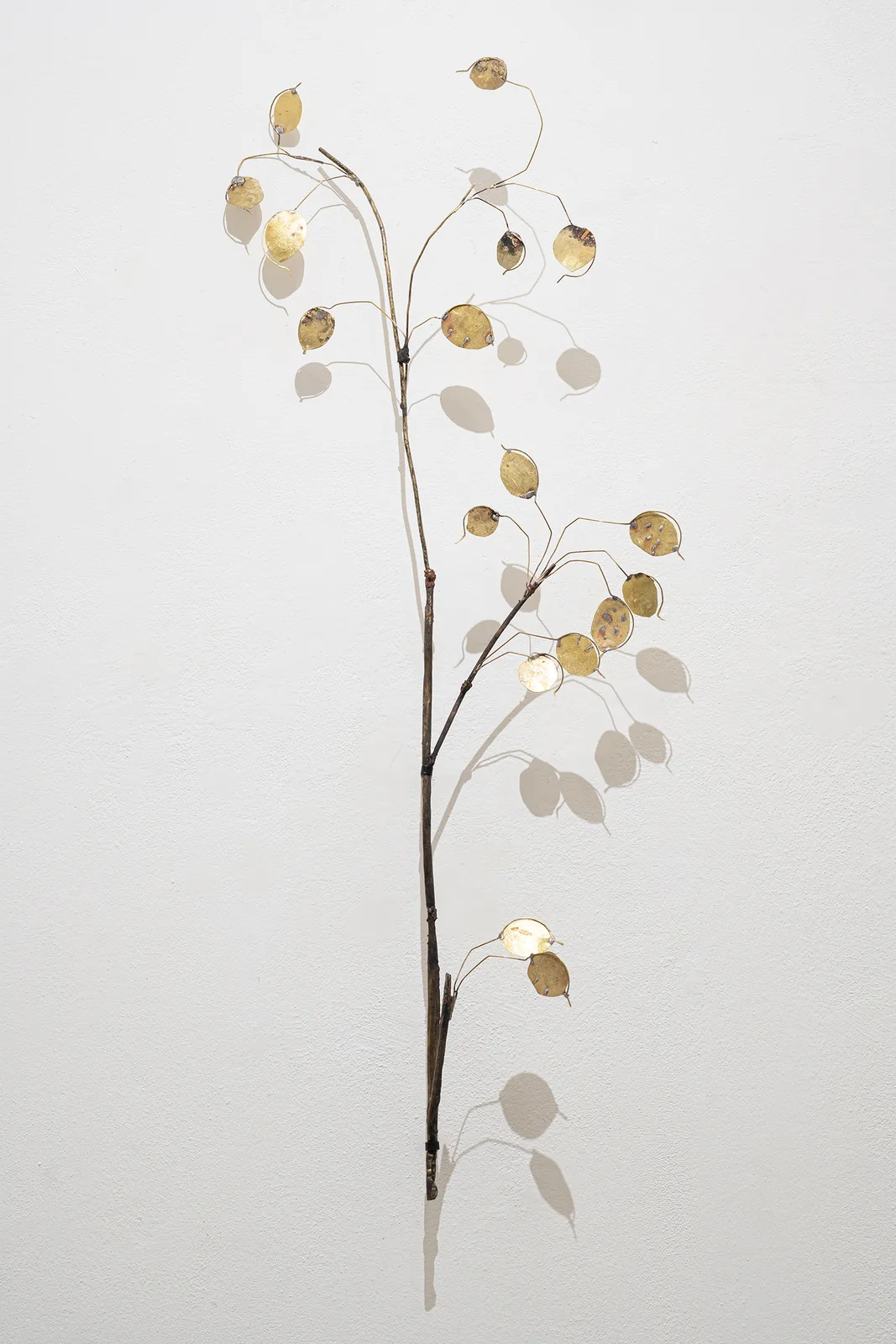
Brass and Bronze
100 × 40 × 15 cm
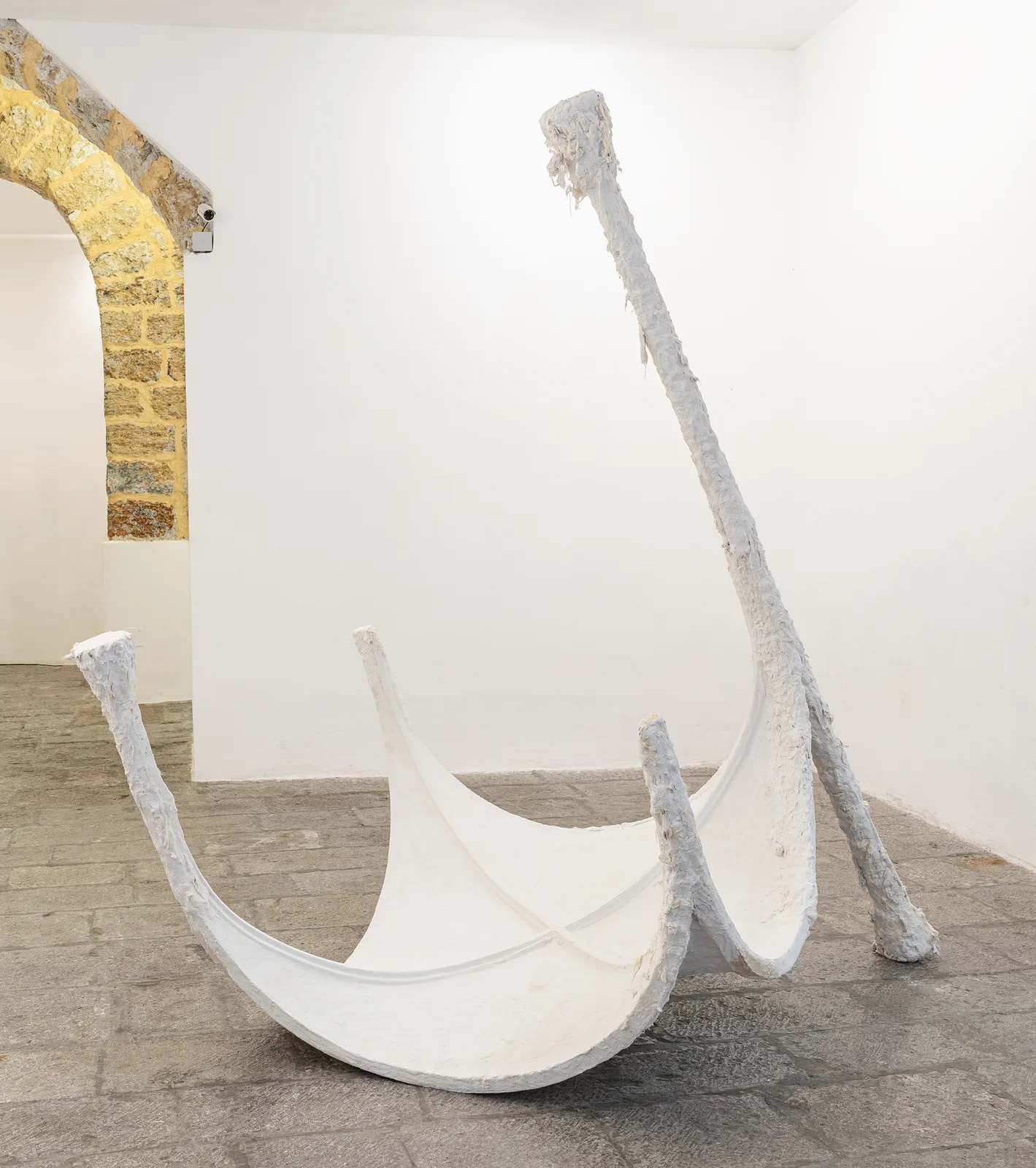
Plaster, raw wool and iron
245 × 180 × 180 cm
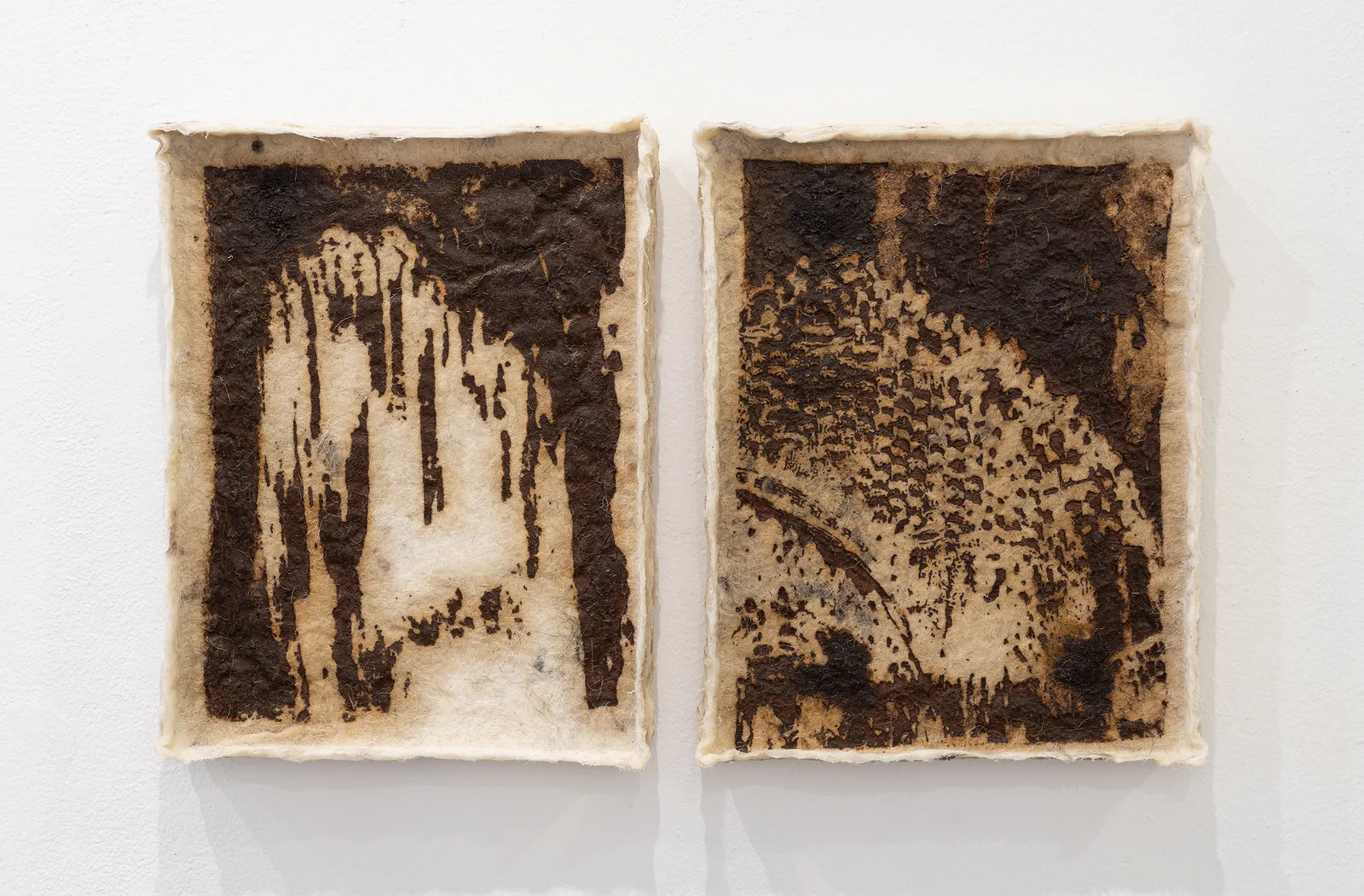
Raw wool felts and rust
40 × 31 × 6 cm
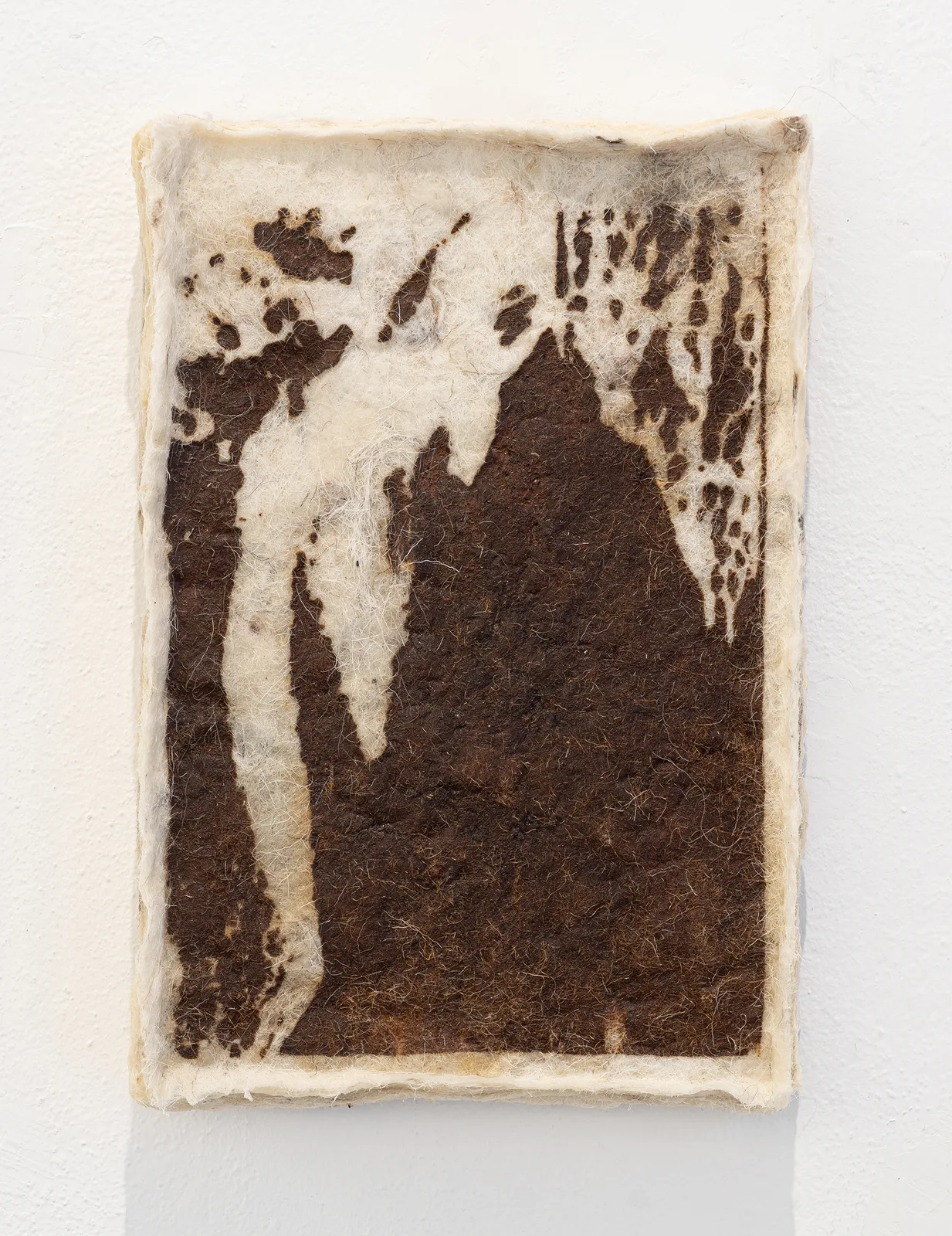
Raw wool felts and rust
31 × 21 × 5 cm
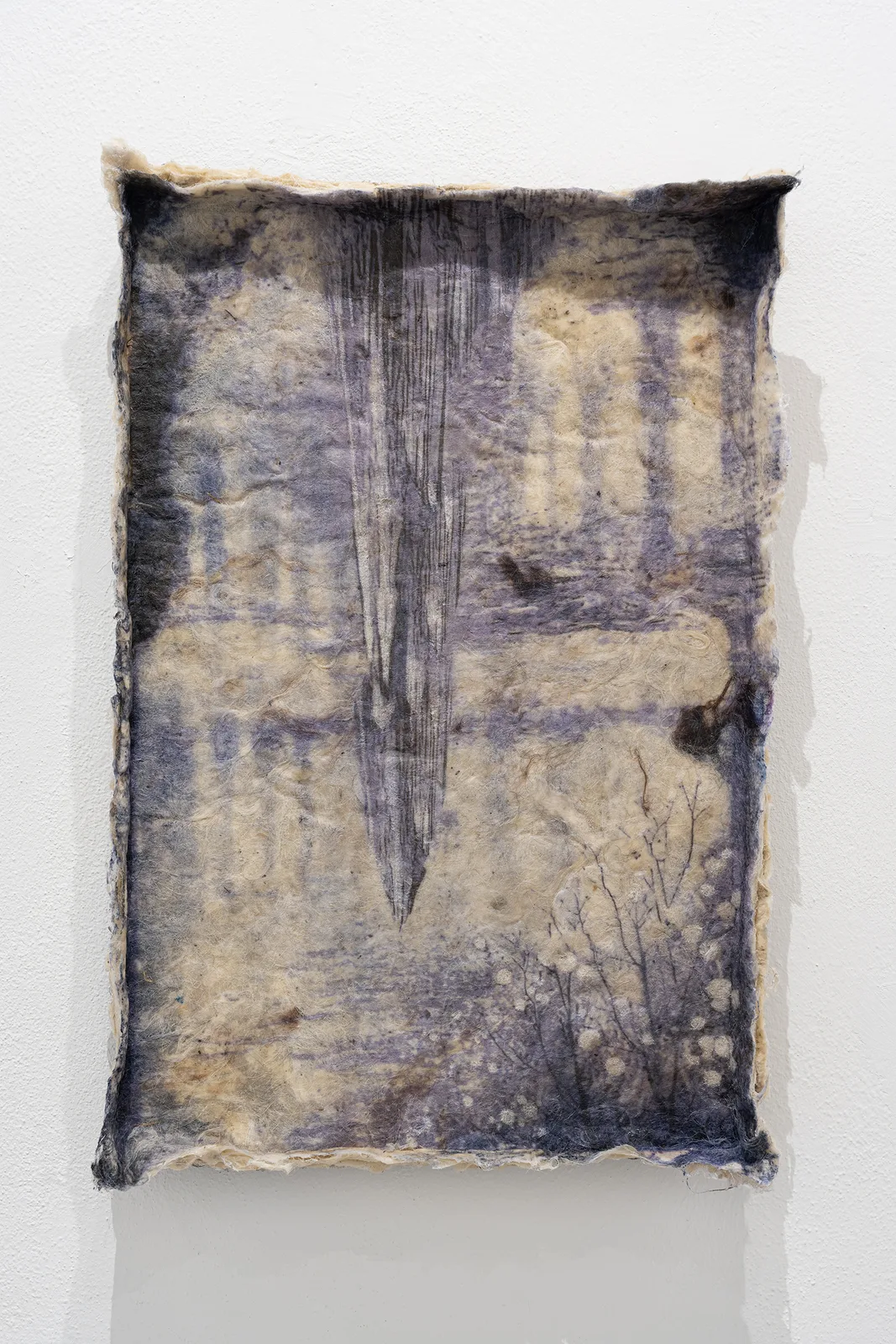
Encaustic and oil painting on raw wool felts
62 × 42 × 10 cm
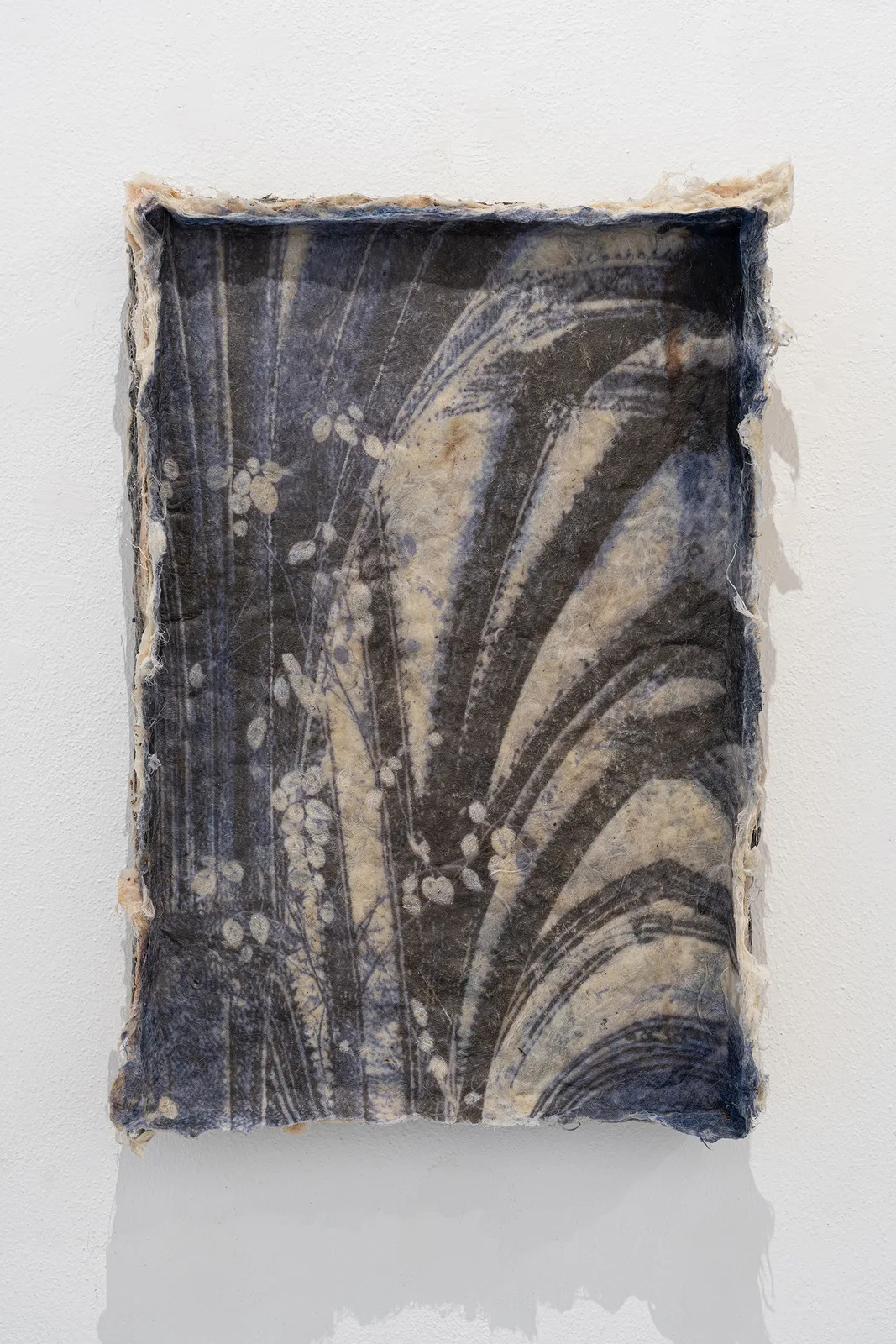
Encaustic and oil painting on raw wool felts
62 × 42 × 10 cm
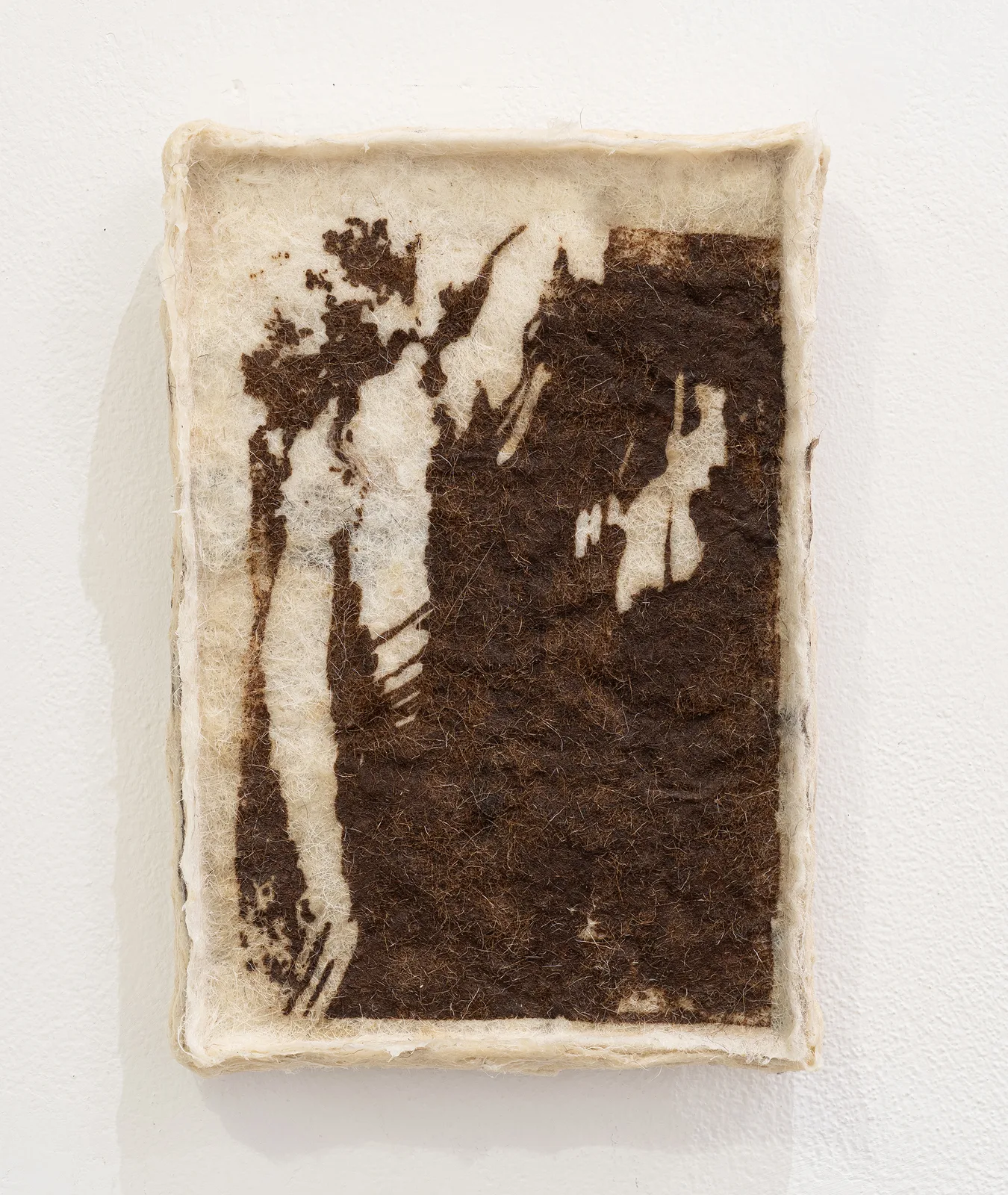
Raw wool felts and rust
31 × 21 × 5 cm
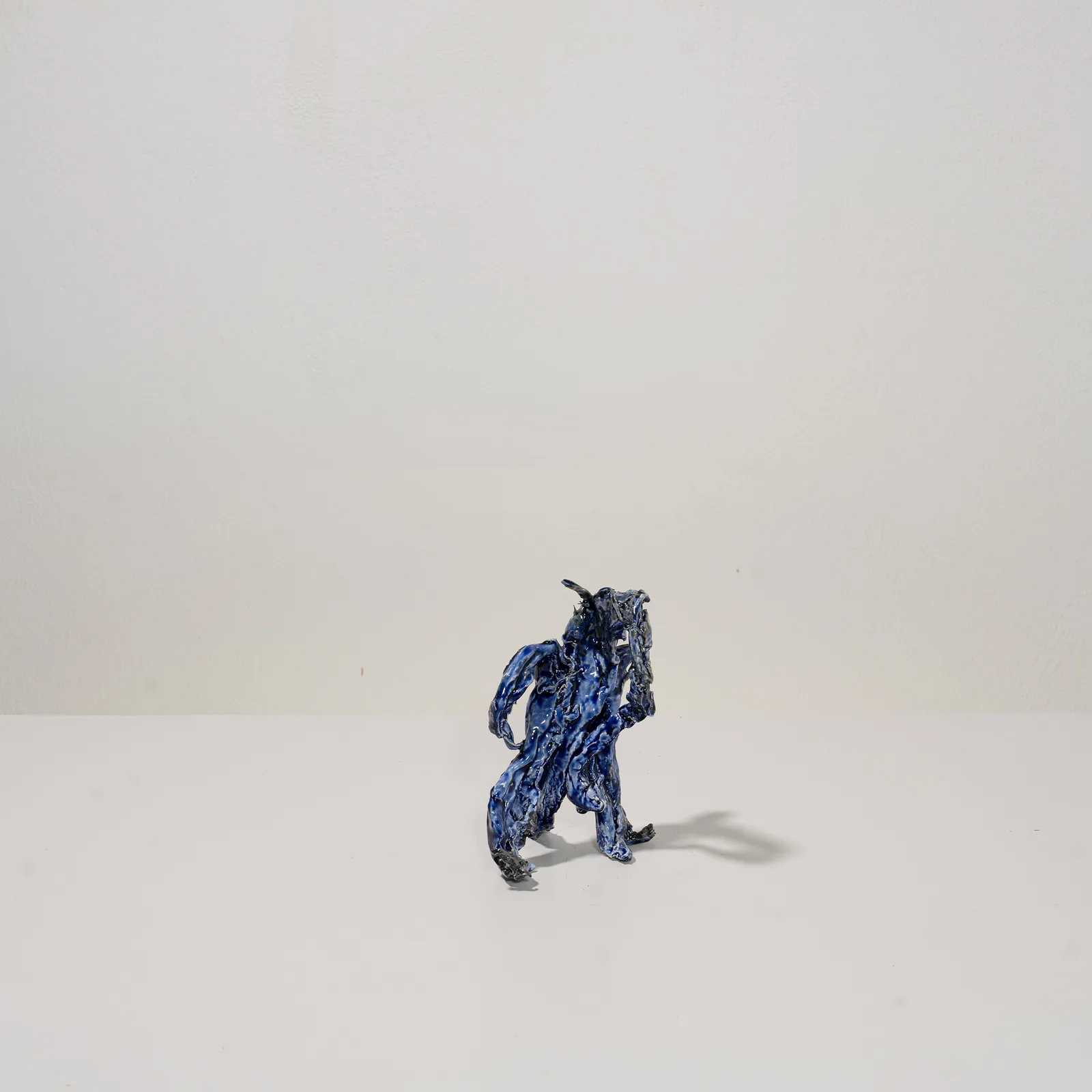
Mixed clays, wool, glaze
19 × 15 × 11 cm
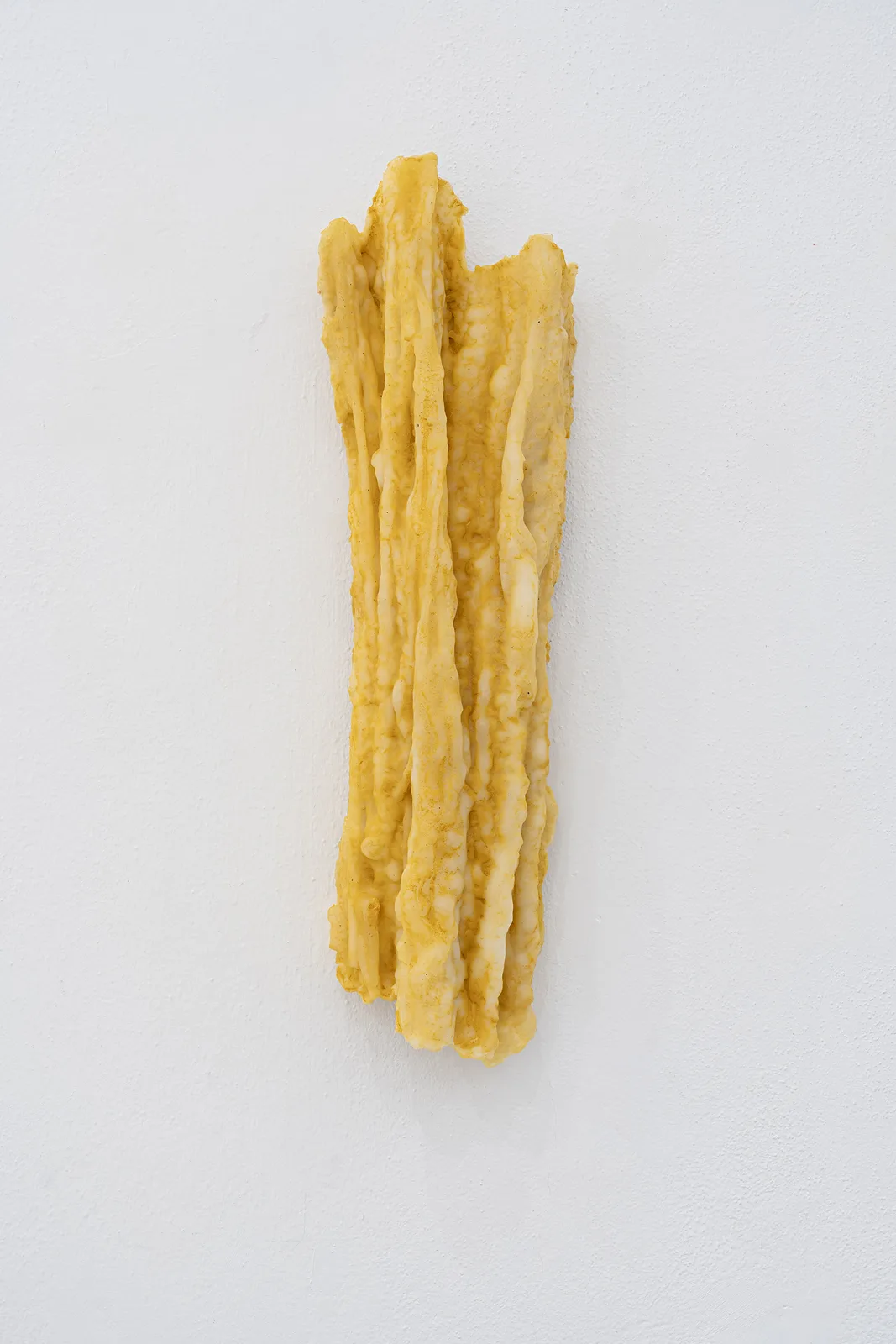
Beeswax and paraffin
50 × 15 × 8 cm
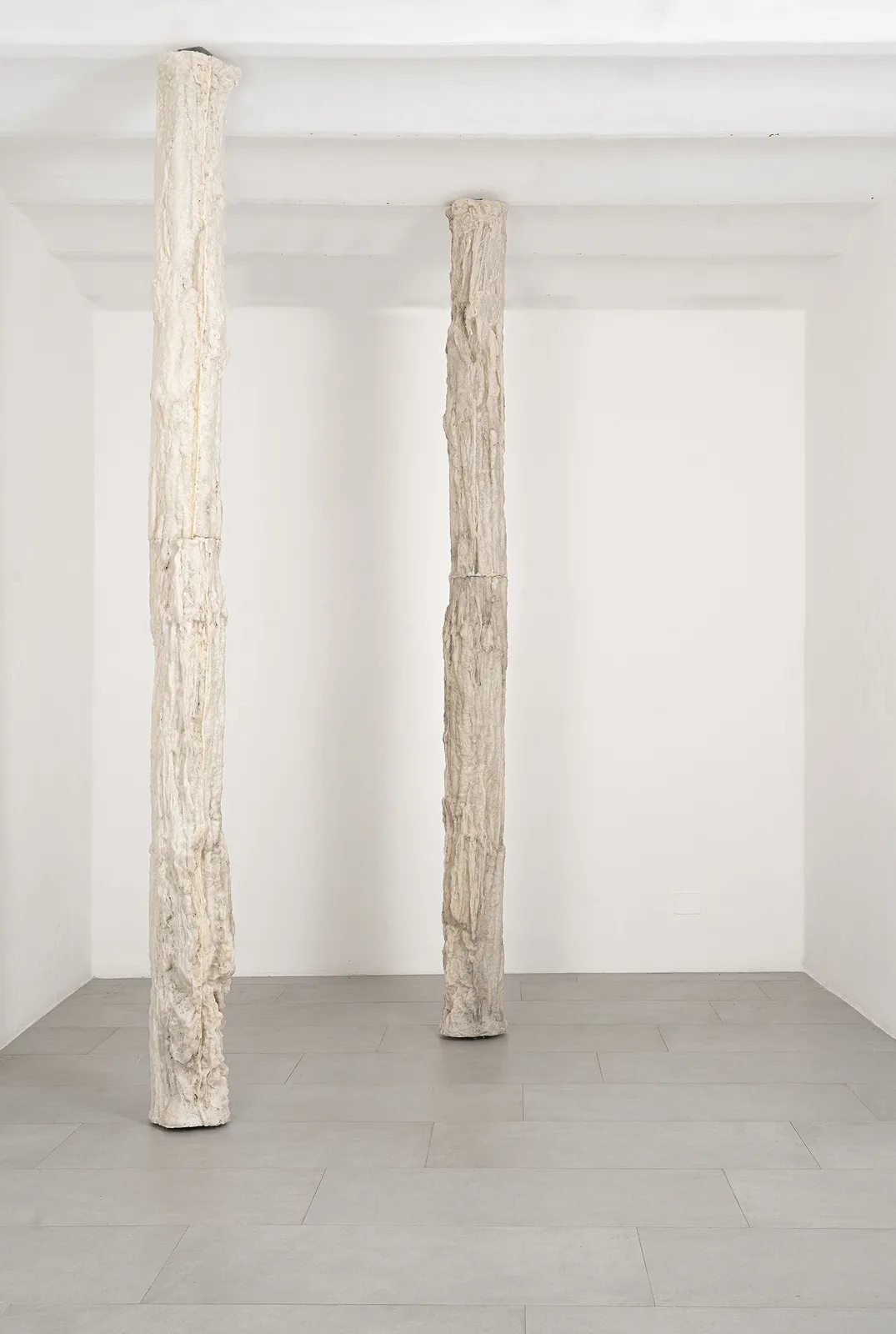
Resin and silica
360 × 36 × 36 cm
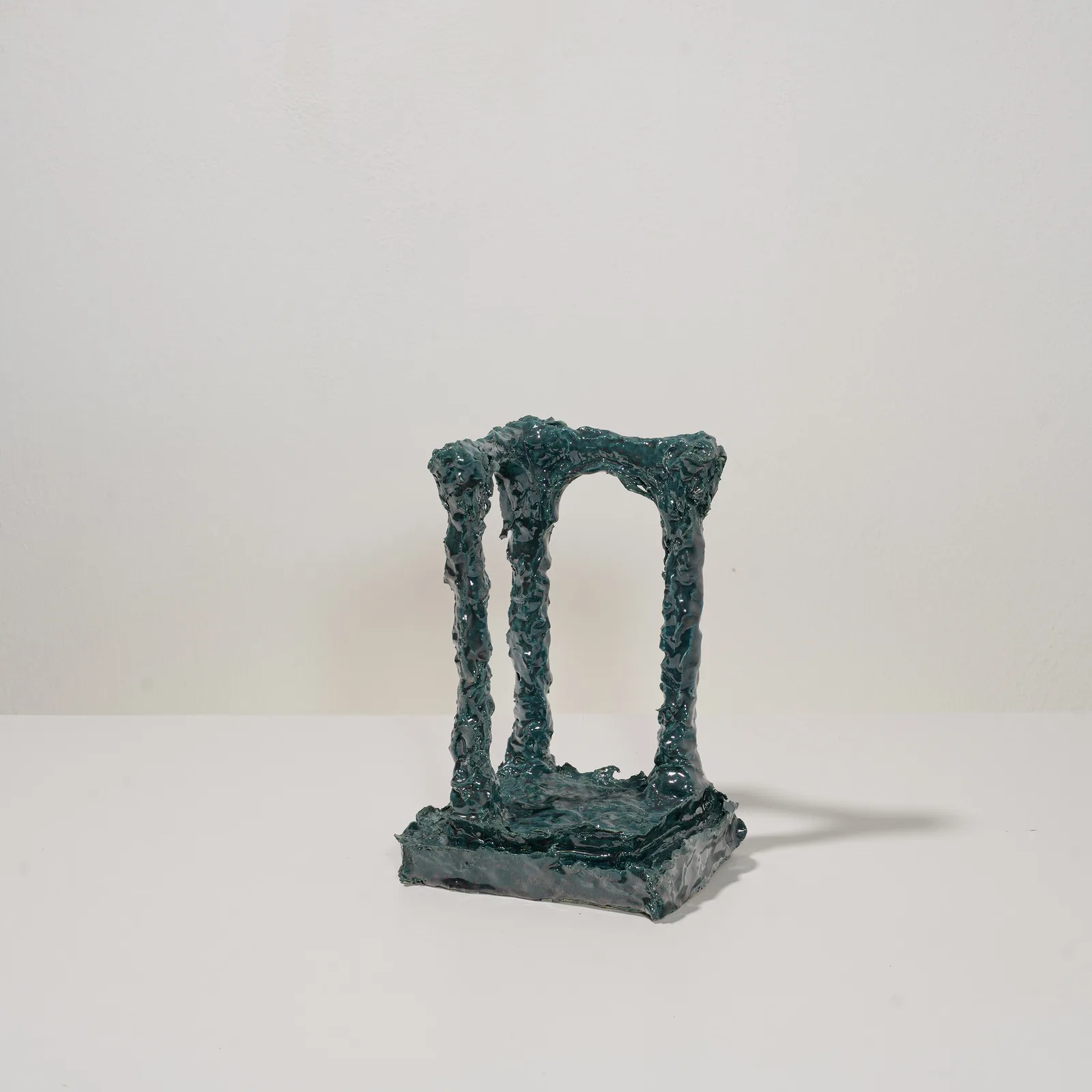
Mixed clays, wool, glaze
28 × 20 × 16 cm
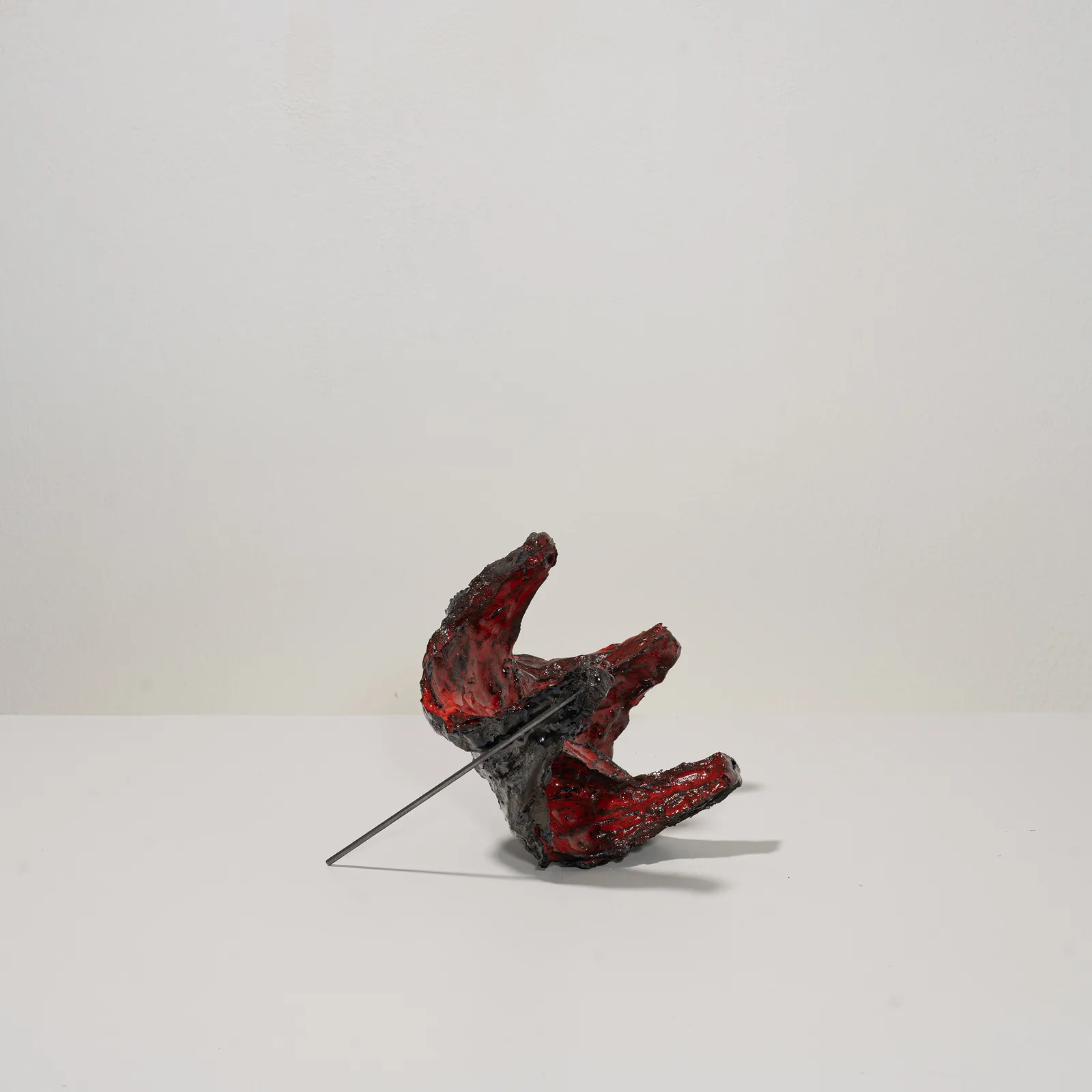
Mixed clays, wool, glaze
21 × 22 × 22 cm
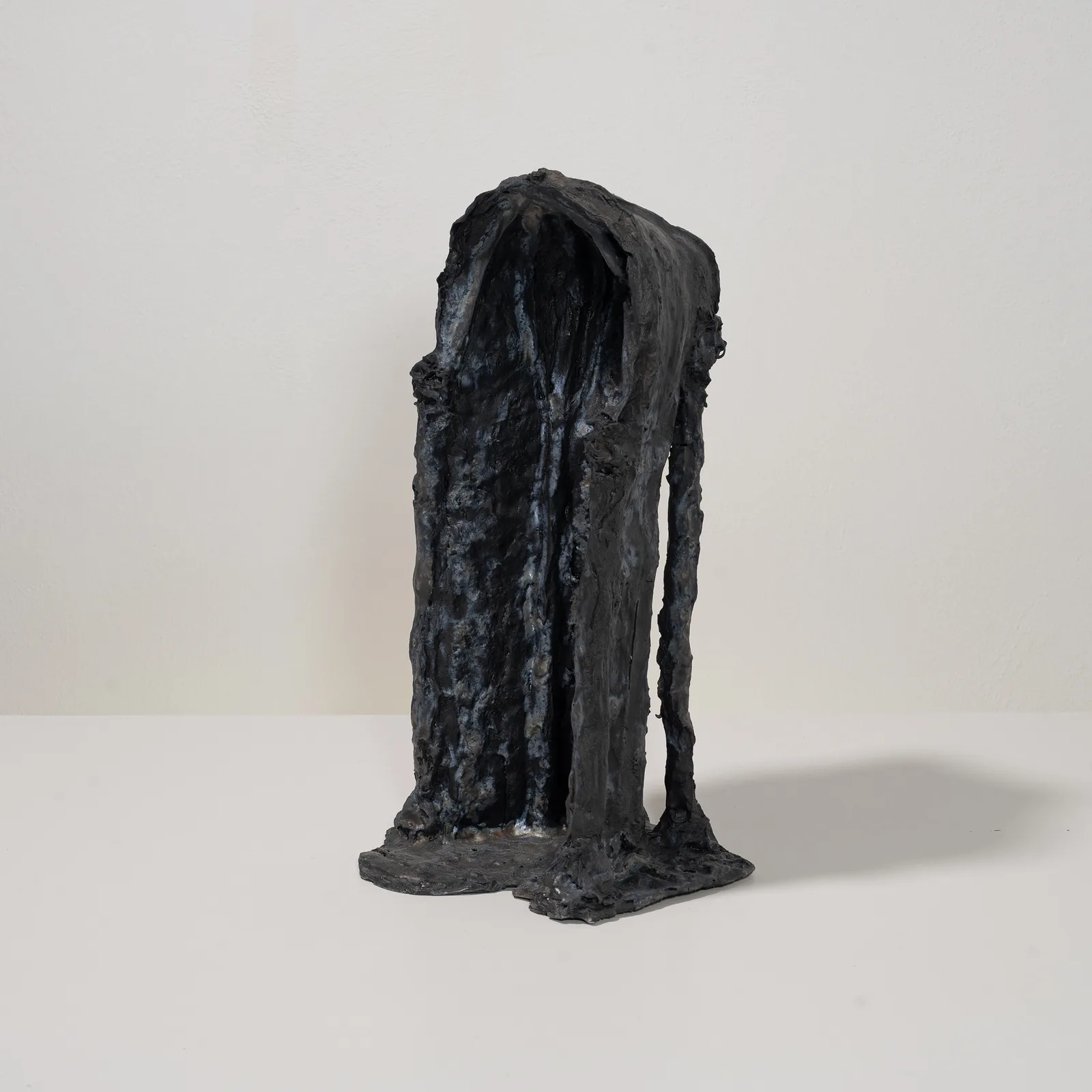
Mixed clays, wool, glaze
45 × 21 × 21 cm
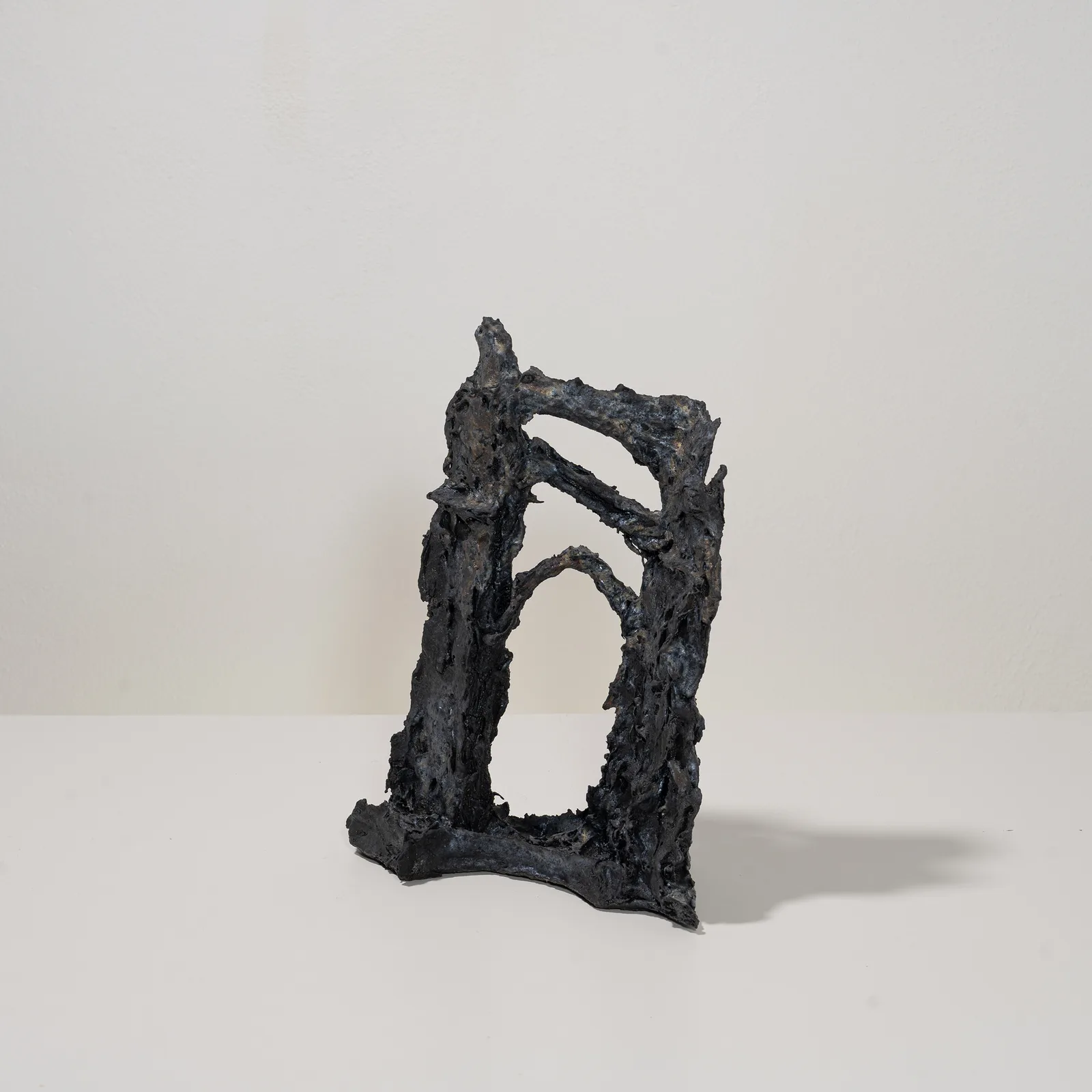
Mixed clays, wool, glaze
34 × 26 × 14 cm
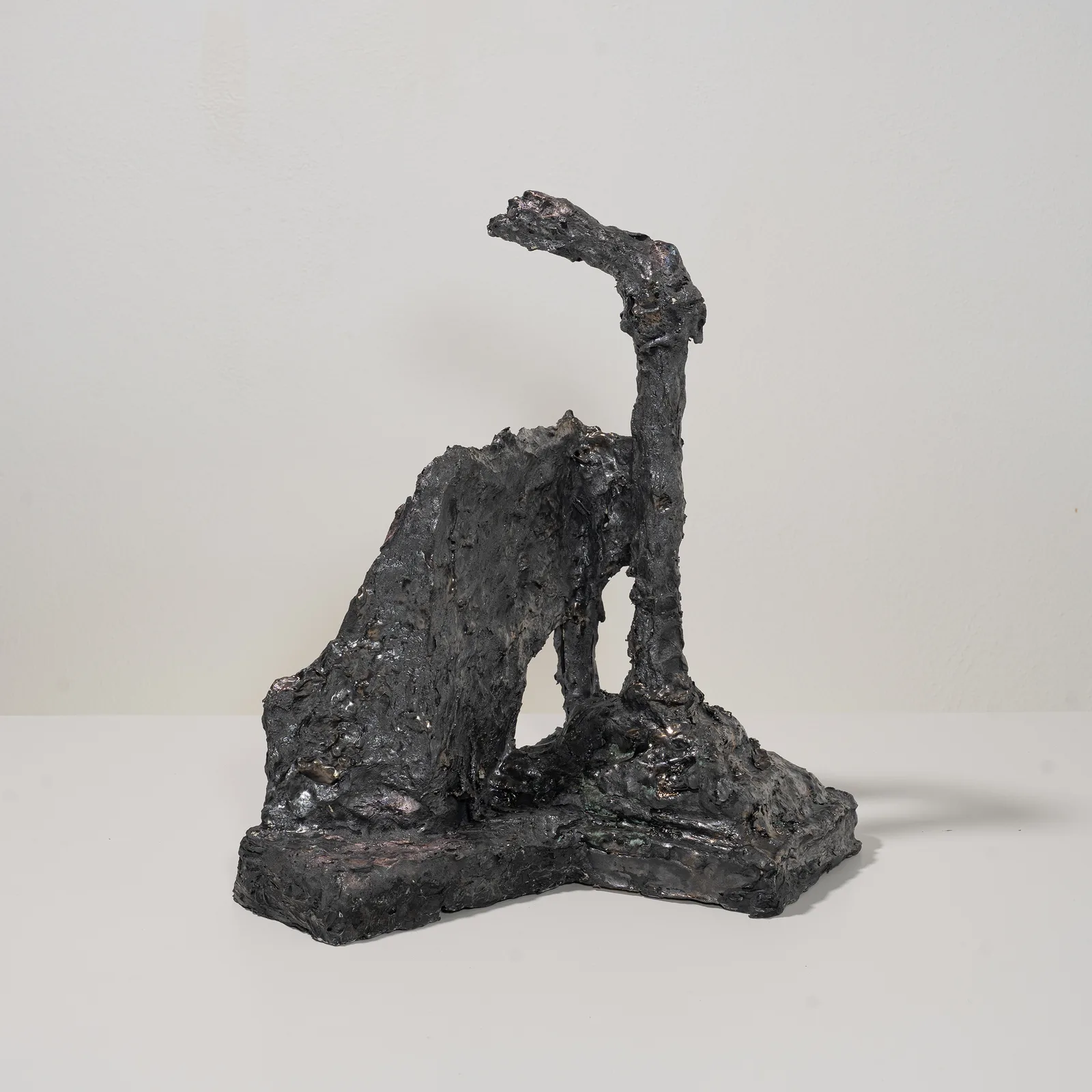
Mixed clays, wool, glaze
42 × 40 × 28 cm
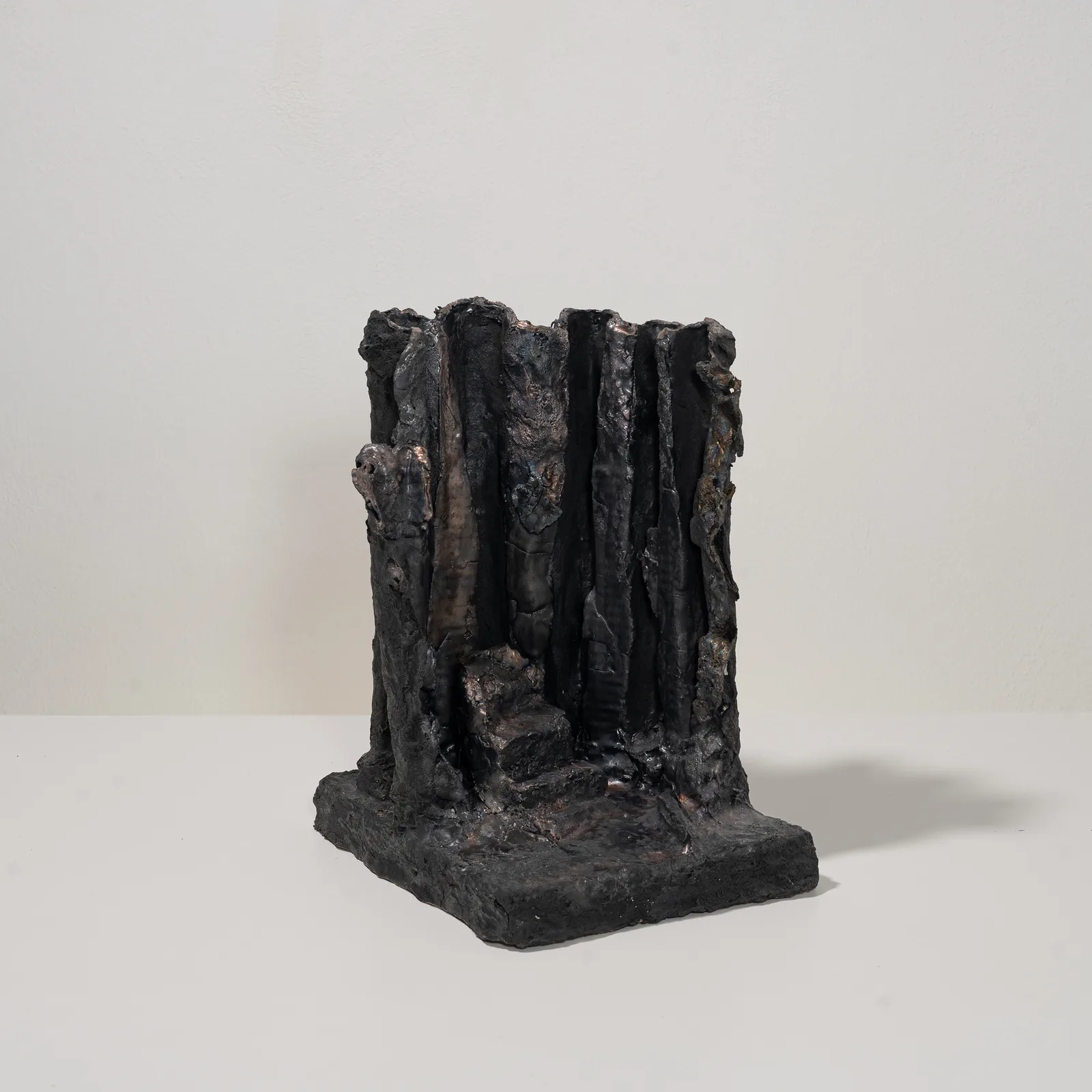
Mixed clays, wool, glaze
34 × 23 × 28 cm
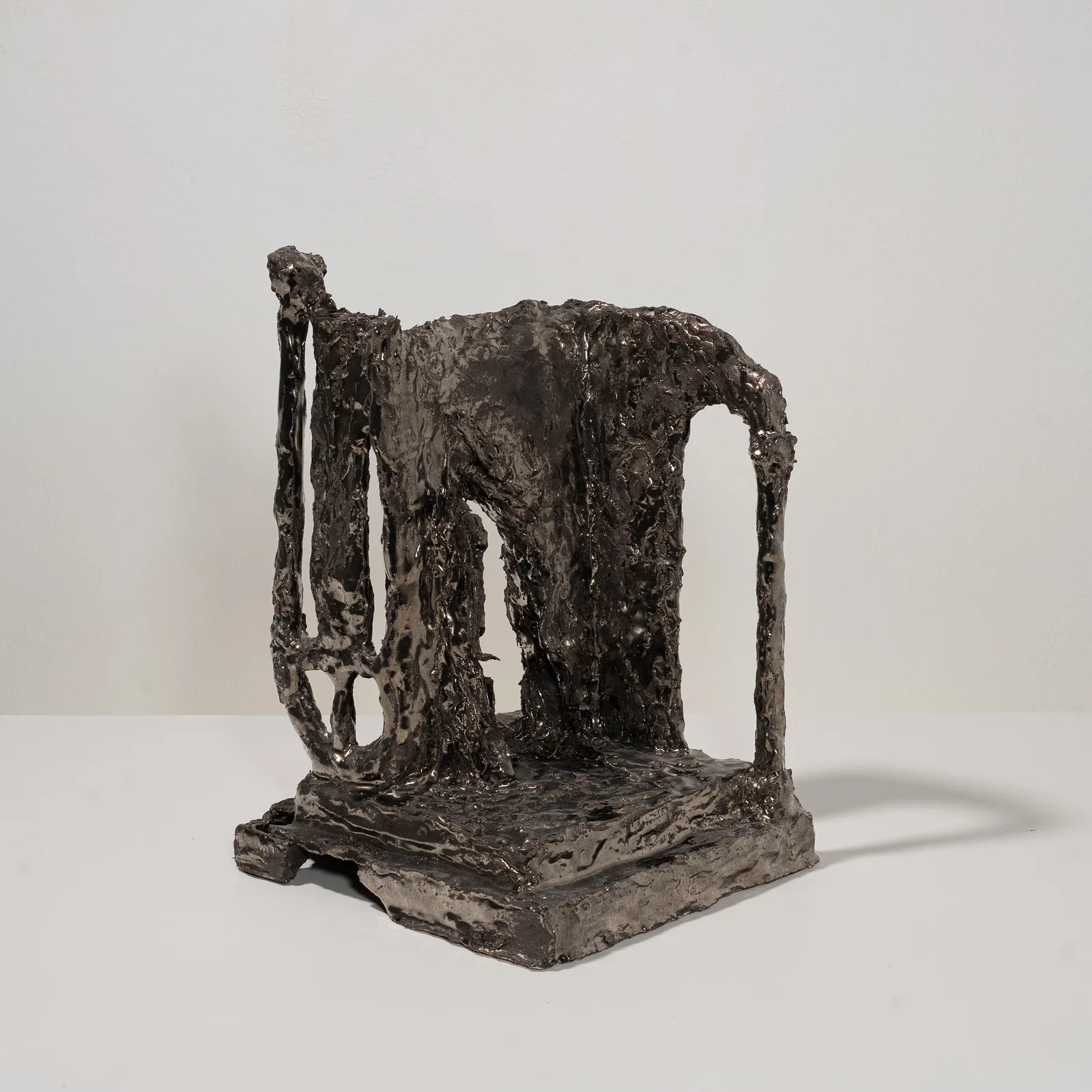
Mixed clays, wool, glaze
39 × 27 × 27 cm
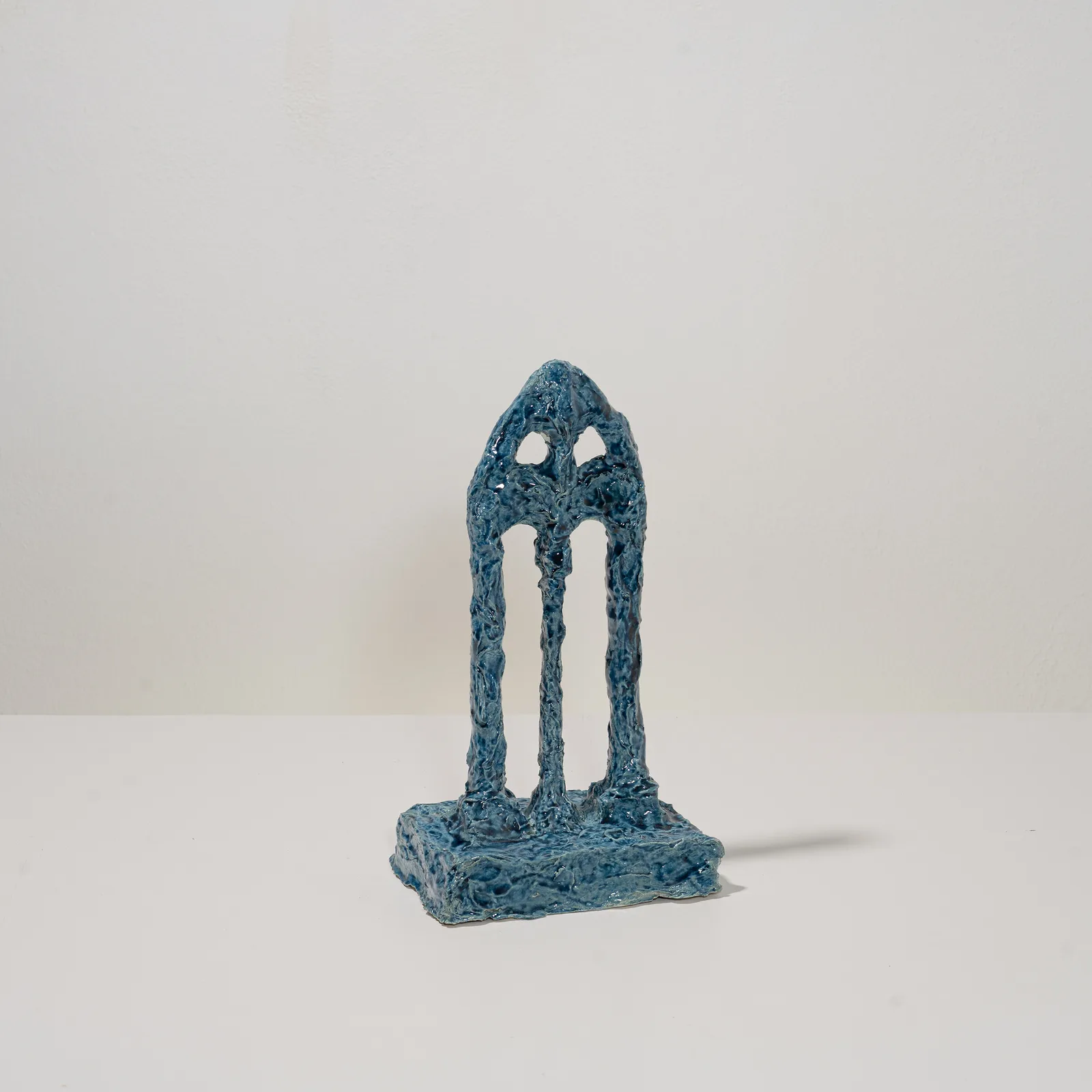
Mixed clays, wool, glaze
33 × 18 × 14 cm
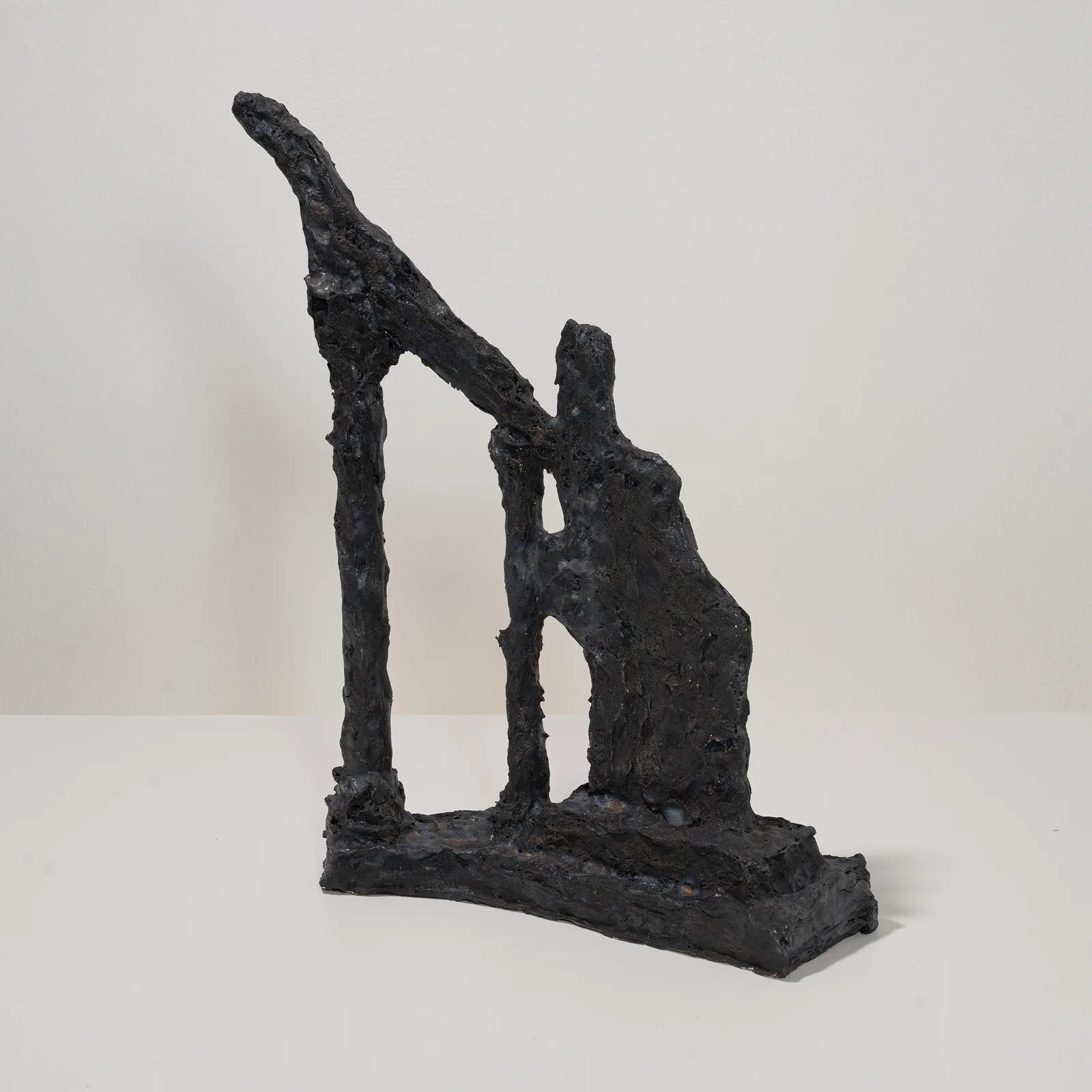
Mixed clays, wool, glaze
49 × 35 × 18 cm
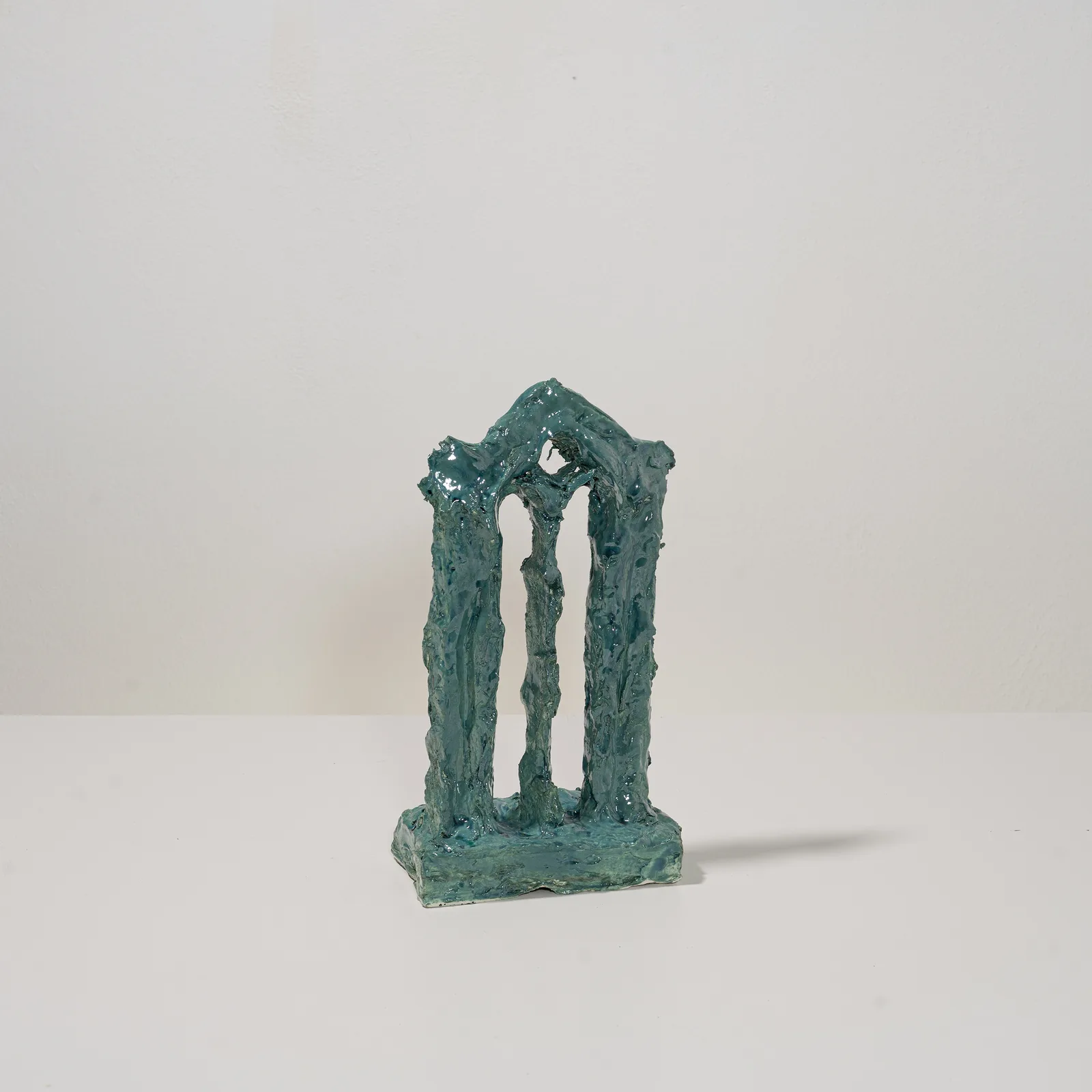
Mixed clays, wool, glaze
31 × 17 × 10 cm
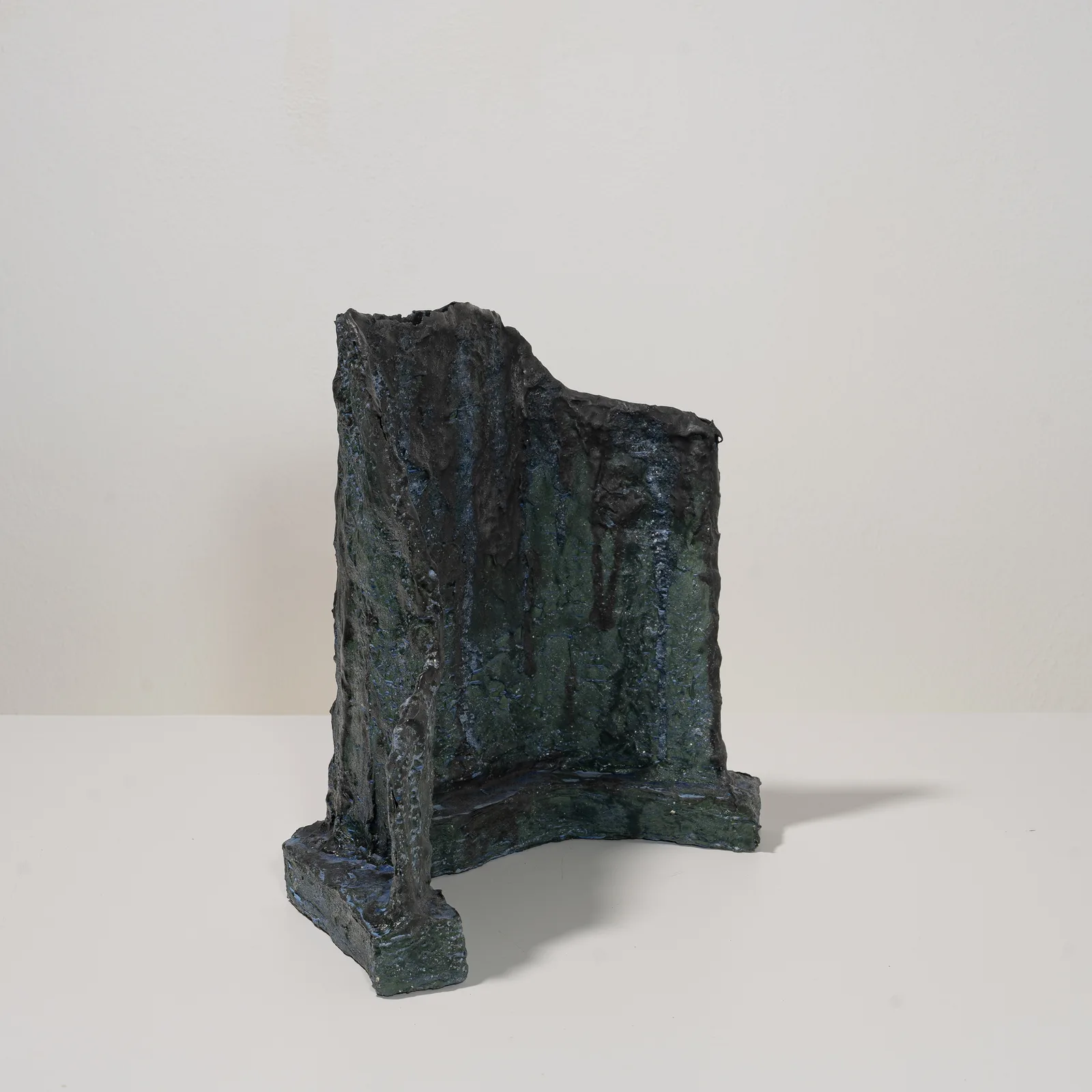
Mixed clays, wool, glaze
36 × 40 × 18 cm
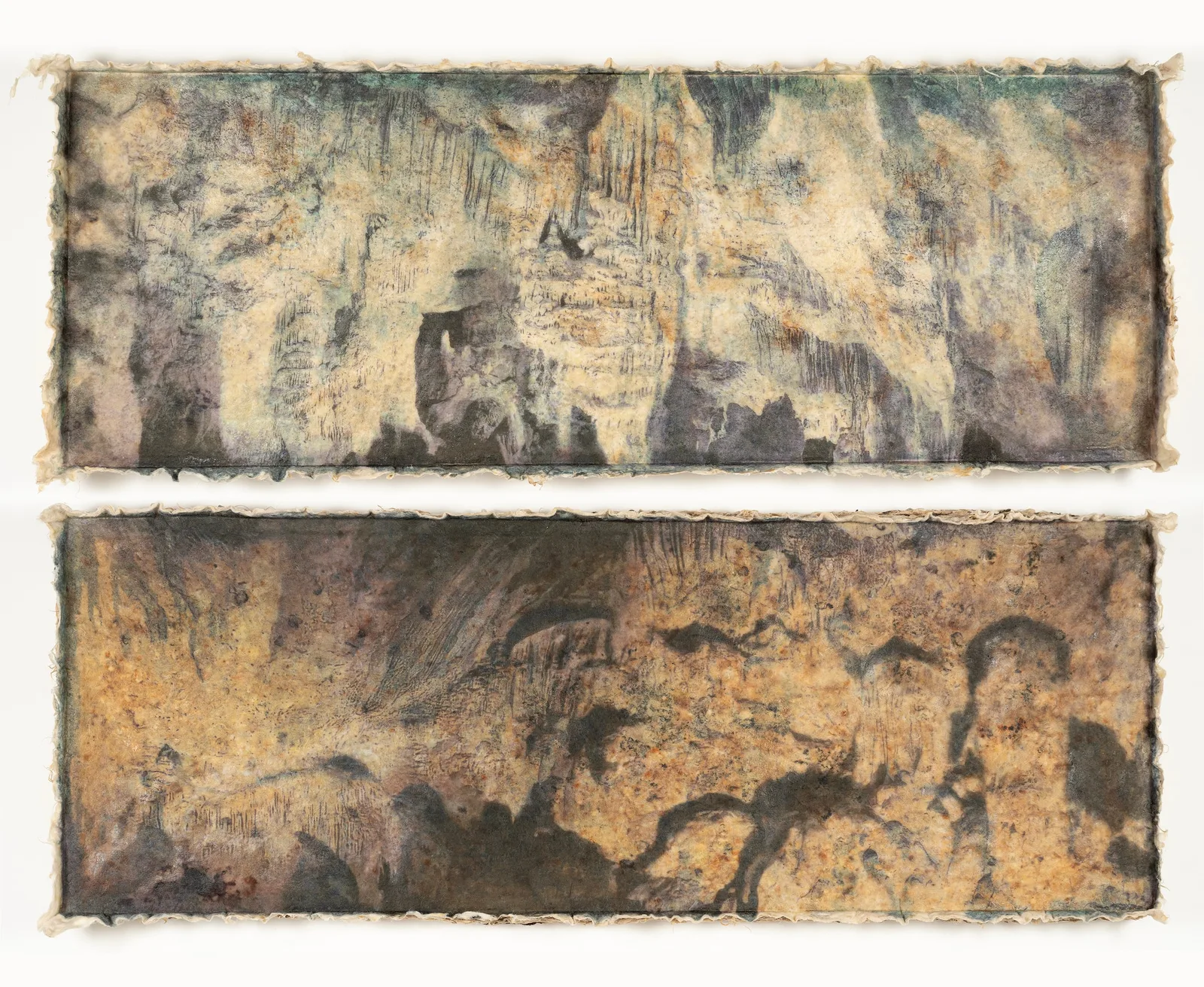
Encaustic on raw wool felts
100 × 250 × 20 cm
Info
Dates
9 May – 20 June 2026
Contact
+39 091 6496654
info@rizzutogallery.com